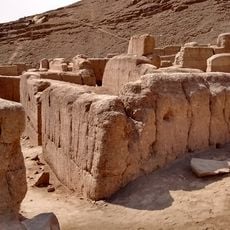
Huaca El Retablo, Archaeological site in Comas district, Lima, Peru
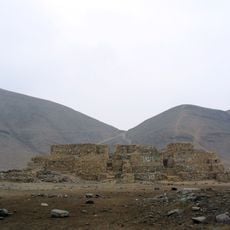
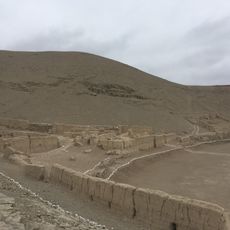
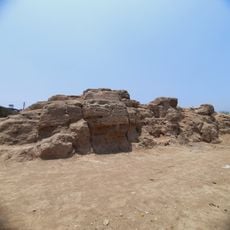
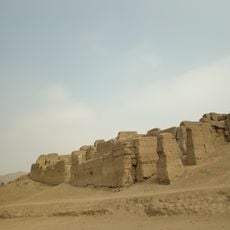
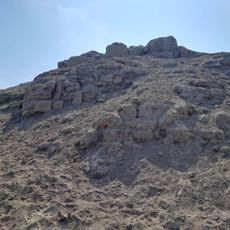
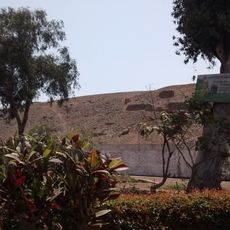
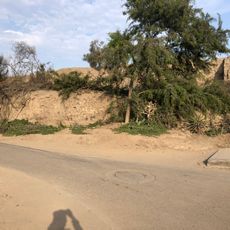
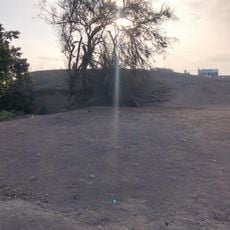
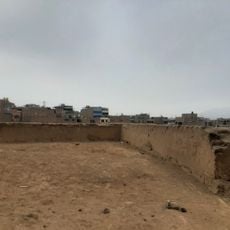
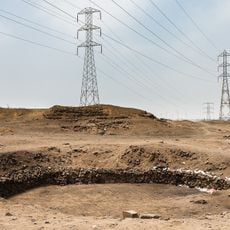
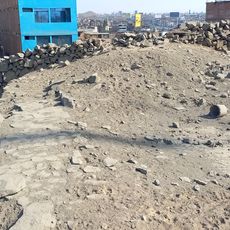
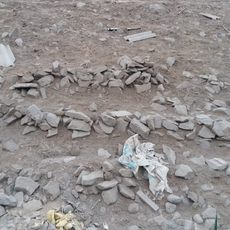
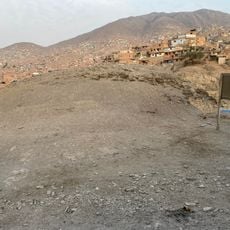
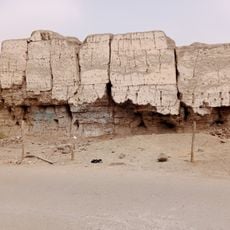
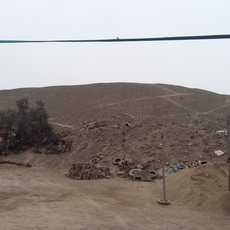
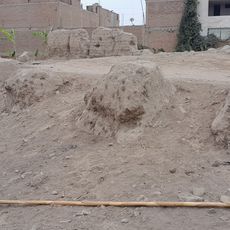
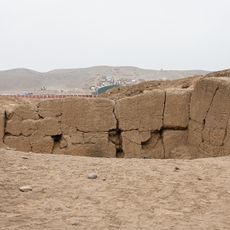
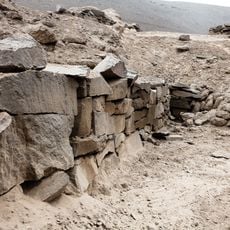
Huaca El Retablo, also called Collique 2 or Huaca Chasqui, is an archaeological site in the Comas district of Lima, Peru. It covers 2,600 m² and is oriented northeast to southwest, divided into two sectors. Sector I, in the northeast, has four superimposed platforms forming a stepped pyramid; Sector II, in the southwest, is a lower open space with a line of walls and small holes of unknown purpose. Walls are mostly tapia, except Sector II, which was surrounded by rectangular adobe bricks from the colonial era.
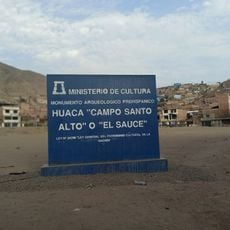
Built by the Colli polity, which developed in the Chillón valley between 900 and 1470 AD, Collique 2 served as a secular and ceremonial center. After the Collis refused incorporation into Tawantinsuyu, the Incas conquered them around 1470, and the site was abandoned through the Late Horizon and the colonial era until its 2010 designation as National Cultural Heritage.
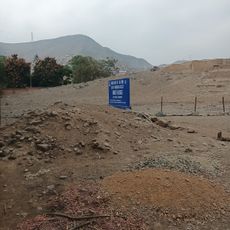
The name El Retablo refers to the Retablo urbanization beside which the huaca stands. Residents of that neighborhood look after the structure themselves, since state funding for its conservation is lacking, organizing cleaning campaigns and cultural activities. The site is freely accessible, and its metal protective mesh was stolen over time.
The site is freely accessible year-round and can be visited at any time, though it sits within an urban residential neighborhood. Sturdy shoes are recommended since the ground is uneven and can become slippery after rain.
The neighborhood organizes regular cleaning campaigns and cultural activities to protect this ancient structure from deterioration. This grassroots effort demonstrates how local residents preserve their heritage without significant government resources.
The community of curious travelers
AroundUs brings together thousands of curated places, local tips, and hidden gems, enriched daily by 94,117 contributors worldwide.