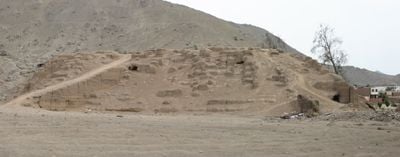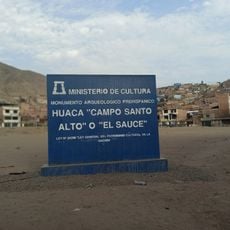
Huaca Mangomarca, Pre-Columbian archaeological complex in San Juan de Lurigancho, Peru
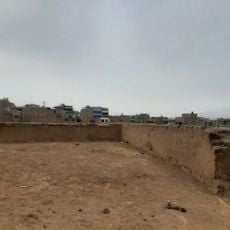
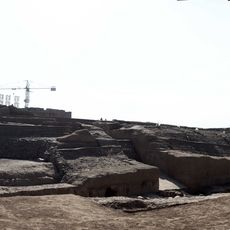
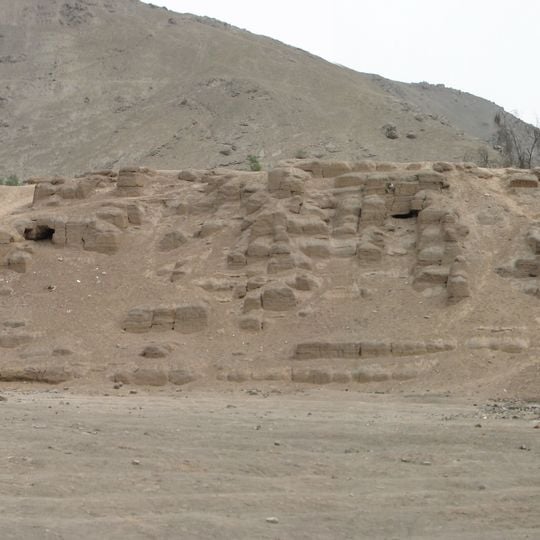
Huaca Mangomarca is an archaeological site built with stepped pyramids of adobe and compacted earth, linked by winding passages and ceremonial platforms. The structures showcase the building techniques and design used before Spanish arrival.
From around 900 to 1470, the site served as the capital of the Lurigancho chiefdom within the Ichma region. After this period, the land fell under Inka rule and later came under Spanish control.
The site contains burial chambers with stone-lined tombs that reveal how people organized themselves by social rank and family ties. Walking through these spaces shows how the living built places to honor and remember their ancestors.
The site sits at 220 meters (722 feet) above sea level along Santuario Avenue and is accessed through guided tours organized by cultural authorities. Visitors should wear comfortable clothing and expect steep pathways and uneven ground.
Many visitors miss that the angled layout of channels and rooms aligns with the winter solstice when viewed from certain points. This hidden design connects everyday structures to the movement of the stars.
The community of curious travelers
AroundUs brings together thousands of curated places, local tips, and hidden gems, enriched daily by 91,096 contributors worldwide.