Museo Pumapungo, Archaeological and ethnographic museum in Cuenca, Ecuador
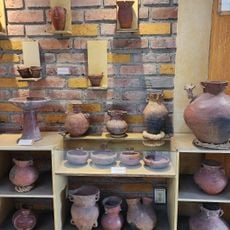
Museo Pumapungo is an archaeological and ethnographic museum in Cuenca with exhibits spread across three floors showing the region's history and cultures. The collections include indigenous artifacts, traditional clothing, historical coins, and archaeological objects from different periods.
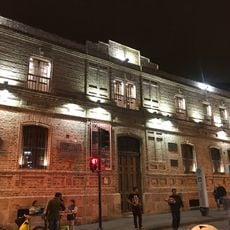
Pumapungo occupies the site of Tomebamba, the Inca settlement built by Túpac Yupanqui on the Cañari site of Guapondelig. Between 1919 and 1923 the German scholar Max Uhle excavated and mapped the ruins, confirming the Inca city's location; Jaime Idrovo later rediscovered the site. The museum now operates in the former Colegio Borja building, a two-storey cloister-like structure that also houses the city symphony orchestra.
The ethnographic rooms hold tsantsas (shrunken heads) from the Shuar people, shown in the exhibition "Tsantsas: myth, ritual and lost tradition", and a room on shamanic worldview, "Spiritualities and rituals". Reconstructions of Afro-Ecuadorian houses from Esmeraldas province stand alongside traditional costumes and ucuyayas, amulets depicting mythical characters.
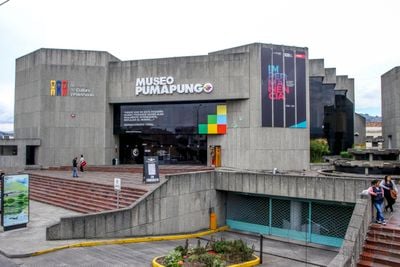
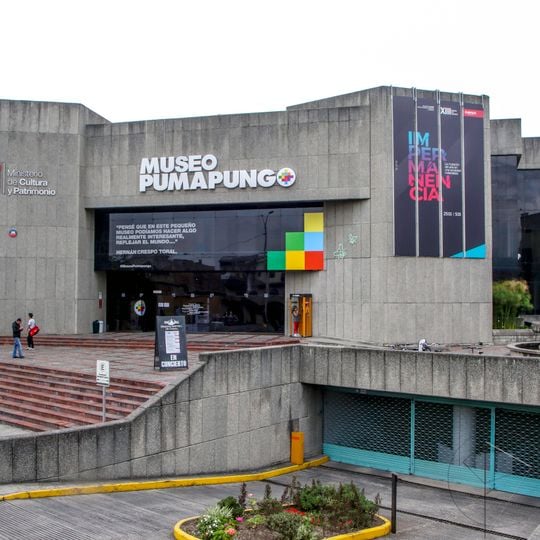
The museum sits in the Pumapungo area of Cuenca, and entry is free. The building is reached by broad reddish-brown stairs or a ramp with yellow curbs leading to a recessed entrance marked "MUSEO PUMAPUNGO". Inside, the archaeology and ethnography rooms, library, theater and archaeological park are spread across the complex, so allow time to move between them.
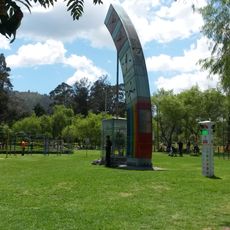
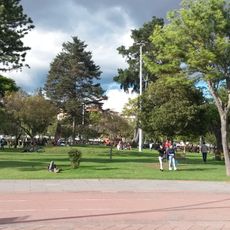
The grounds include archaeological ruins from the ancient Incan city of Tomebamba where you can see remains of early settlement. There is also an ethnobotanical garden with regional plant species and a center for caring for injured birds.
The community of curious travelers
AroundUs brings together thousands of curated places, local tips, and hidden gems, enriched daily by 92,632 contributors worldwide.