Magdalena, human settlement in Argentina
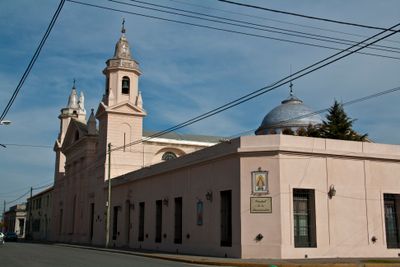
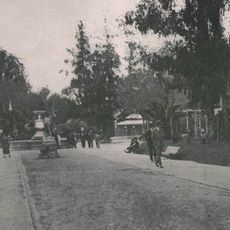
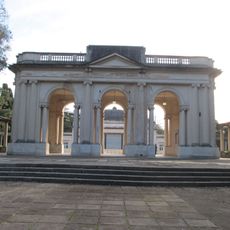
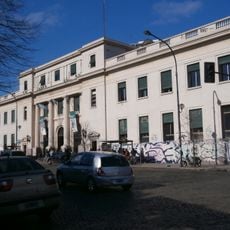
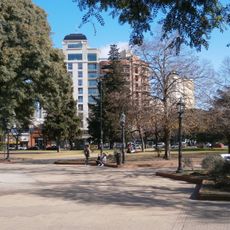
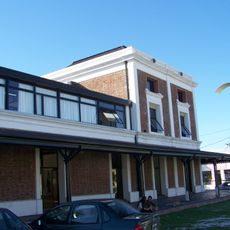
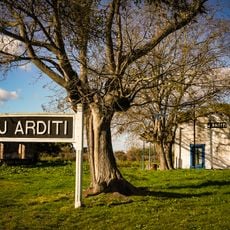
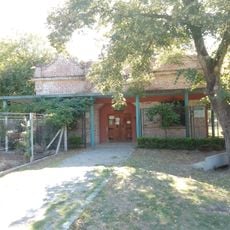
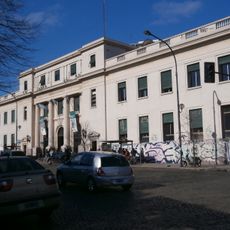
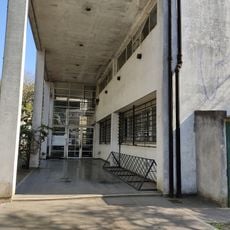
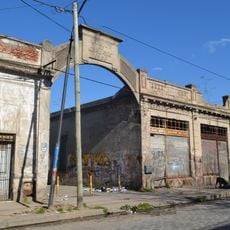
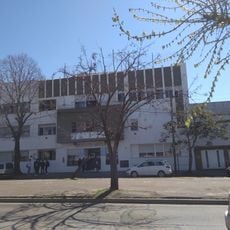
Magdalena is a small village in Argentina located on the flat plains about 49 miles south of La Plata. Its narrow, quiet streets are lined with modest, closely-built houses of simple and aged construction, with tall trees providing shade and creating pockets of coolness throughout the settlement.
The village was founded on November 20, 1776, but settlement began much earlier when explorers like Juan de Garay explored the region in the late 1500s. The area was once covered by a shallow sea thousands of years ago, and fossils of giant animals and shells still remind visitors of that distant past.
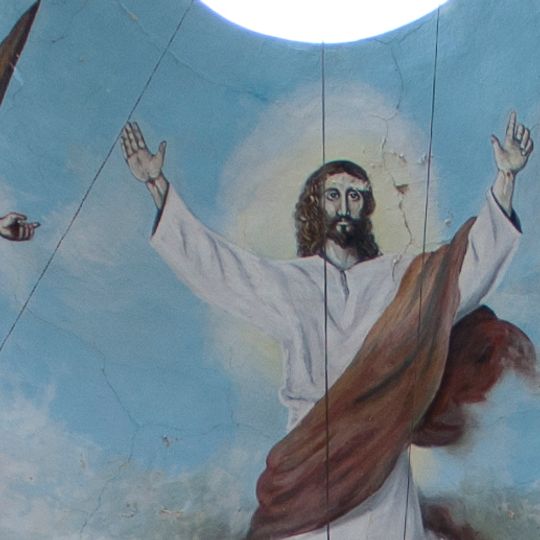
Magdalena takes its name from devotion to Saint Mary Magdalene, a veneration that began in a small indigenous settlement in the area. The village grew around a church built for this saint, and this religious connection still shapes how the place looks and how people identify with it today.
The village is easily accessible because three main roads run through it, allowing arrival from different directions. Its small size means you can walk through the entire settlement easily, and local buses connect different areas while cars and bikes are also common ways to get around.
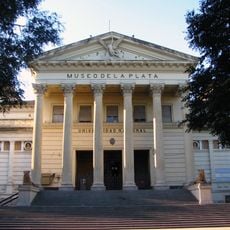
Fossils of shells and bones can still be found on the ground in Magdalena, reminding visitors of a time when the area was covered by a shallow sea called the Querandino about 10,000 to 7,000 years ago. The local museum preserves fossils of giant armadillos and other prehistoric creatures that once roamed through the region.
The community of curious travelers
AroundUs brings together thousands of curated places, local tips, and hidden gems, enriched daily by 60,000 contributors worldwide.