Mesopotamia, Geographical region in northeastern Argentina
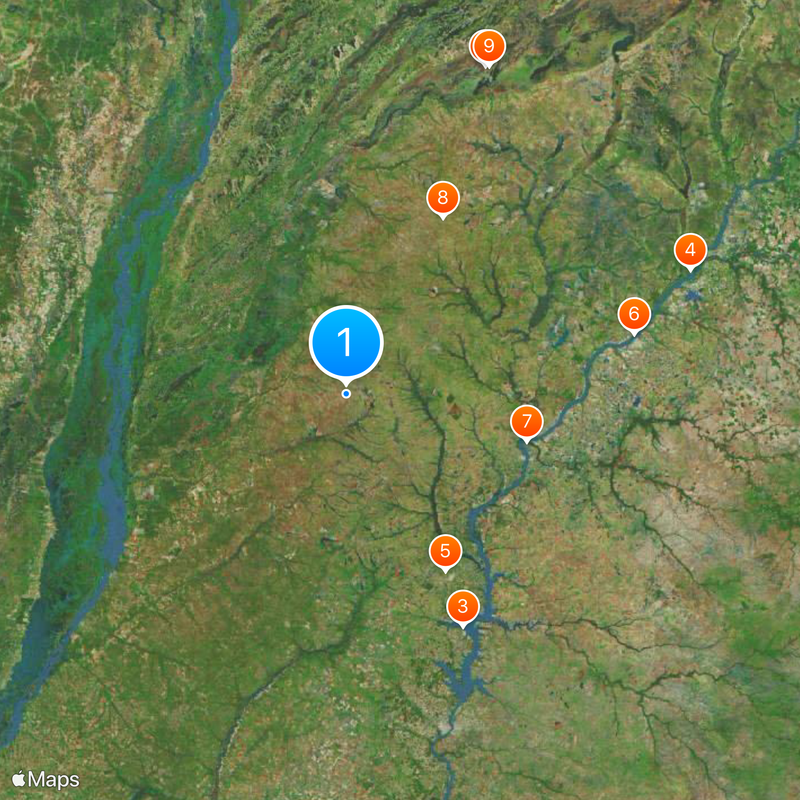
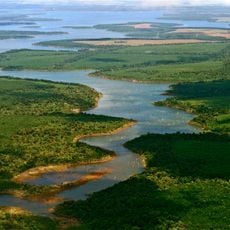
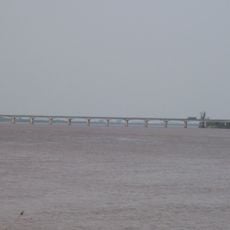
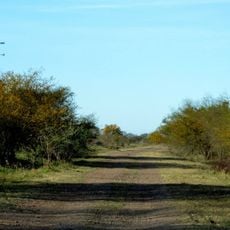
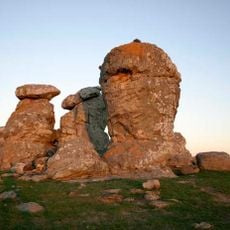
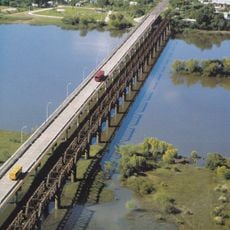
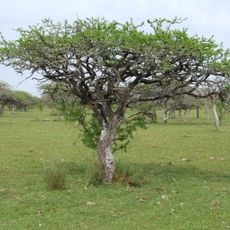
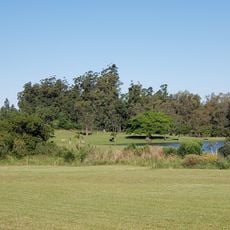
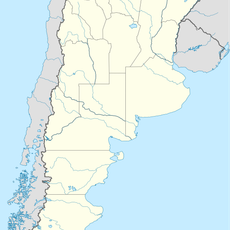
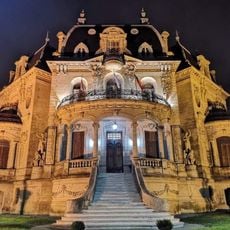
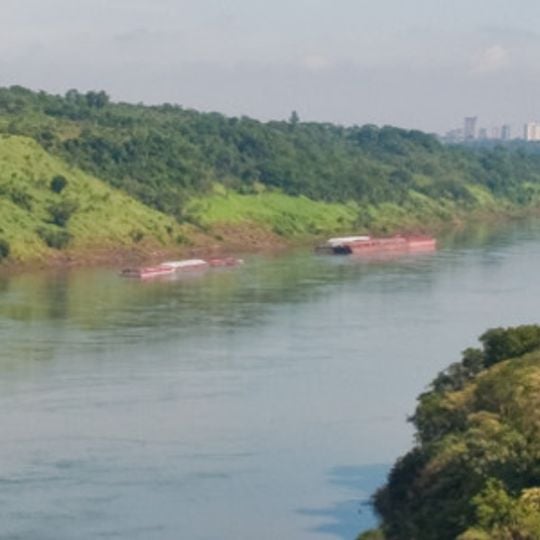
Mesopotamia is a large geographical region in northeastern Argentina that stretches between the Paraná River to the west and the Uruguay River to the east, covering the provinces of Entre Ríos, Corrientes, and Misiones. The landscape ranges from flat grassland plains in the south through wide wetland systems in the center to gentle hills covered with subtropical rainforest in the north.
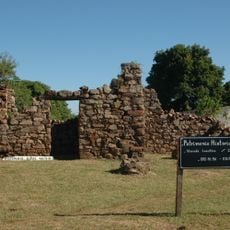
Spanish colonizers arrived in the region from Asunción in the late 16th century and founded settlements along both rivers. In the 19th century, immigrants from central Europe settled in the southern parts and transformed the agricultural use of the land.
The three provinces in Mesopotamia have drawn many of their place names from Guaraní, a language still spoken in the region and present in everyday exchanges among residents. In rural communities, traditional mate-drinking circles bring neighbors together several times a day, creating occasions for conversation and news sharing.
Travelers can cross the region by long-distance bus, connecting larger towns via roads that pass through grassland and scattered forest sections. For trips into the interior of the northern provinces, independent transport is needed, as public connections are rare outside the main routes.
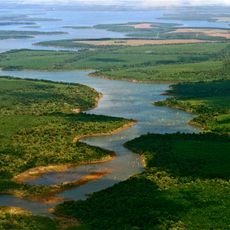
The Iberá wetlands in Corrientes province form one of the largest inland wetland systems in South America, hosting caimans, capybaras, and numerous bird species that live in open marshland. In remote areas, marsh deer can sometimes be seen, surviving only in such wetlands and easy to recognize by their characteristic wading through shallow water.
The community of curious travelers
AroundUs brings together thousands of curated places, local tips, and hidden gems, enriched daily by 92,506 contributors worldwide.