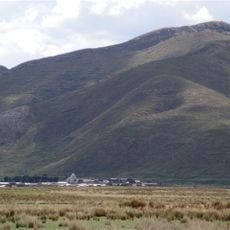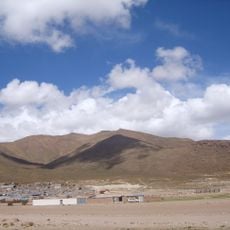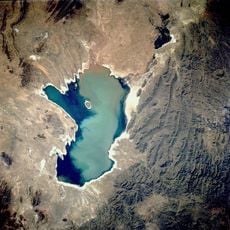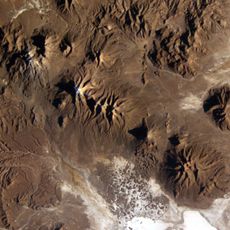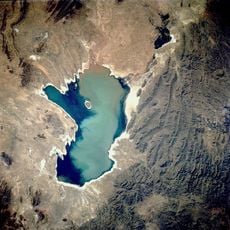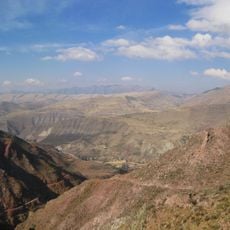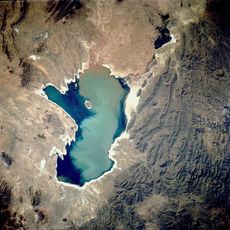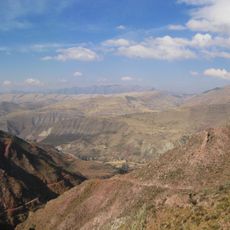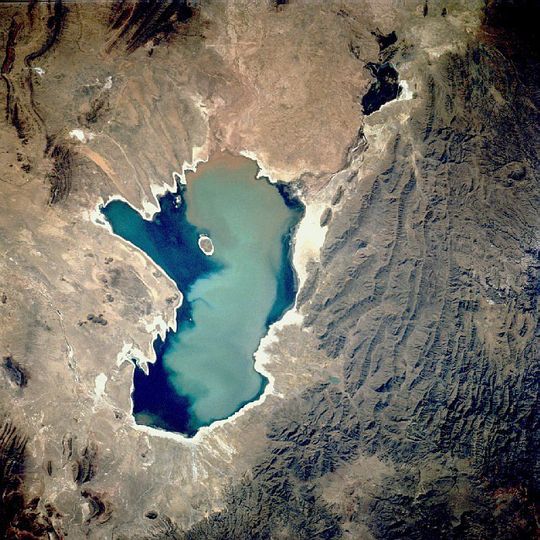
Poopó Lake, Endorheic salt lake in Oruro Department, Bolivia.
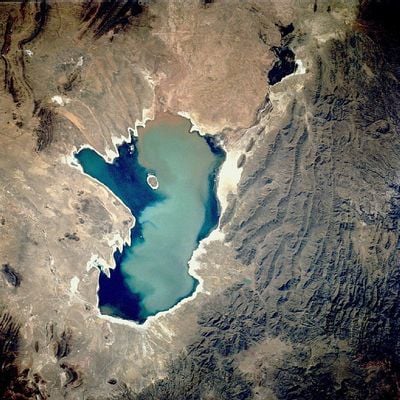
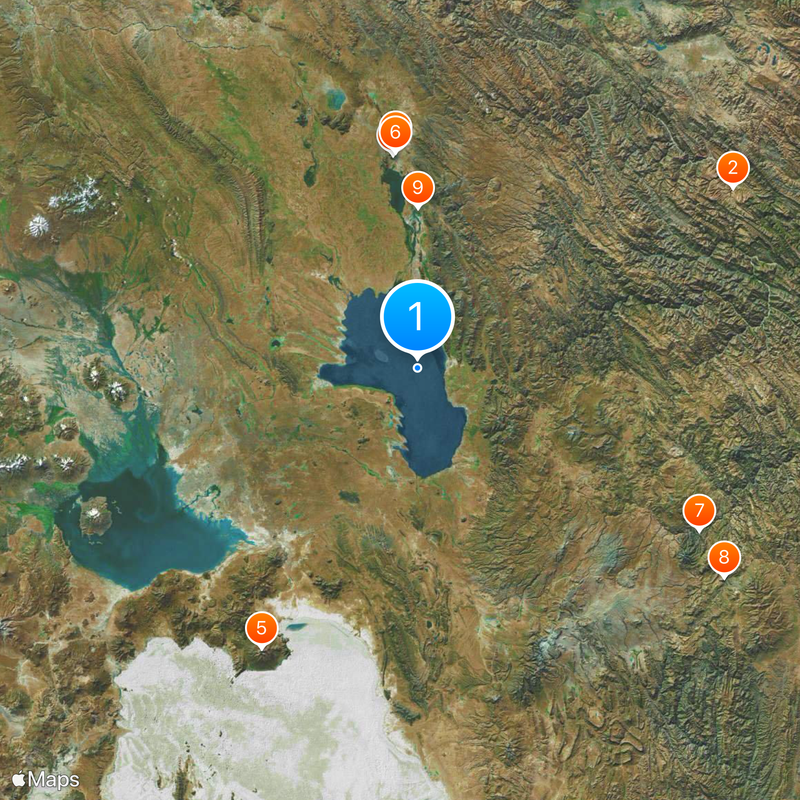
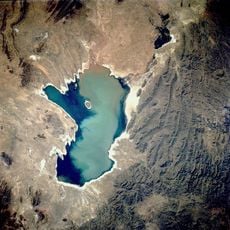
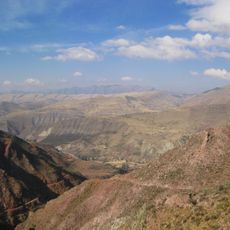
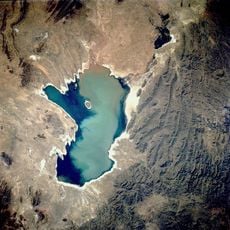
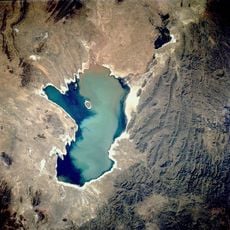
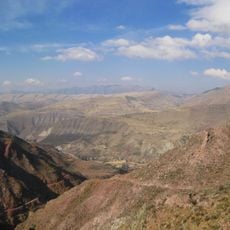
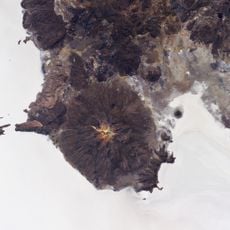
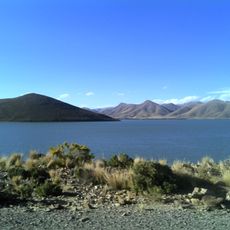
Poopó Lake is a salt lake in the Altiplano highlands stretching roughly 90 kilometers long and 32 kilometers wide at an elevation of 3,686 meters. It sits in an enclosed basin where water has no outlet to the sea and is lost mainly through evaporation.
The earliest known settlements near the lake came from the Wankarani culture between 200 BCE and 200 CE, who built complex centers with their own structures. These early peoples established the foundation for human habitation in this highland region.
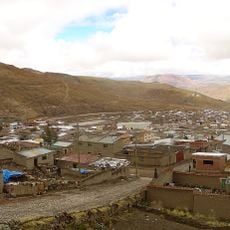
Indigenous groups around the lake developed fishing methods that shaped their daily lives and connection to the water. These practices remain part of local identity even as environmental shifts have altered settlement patterns in recent decades.
The lake is fed mainly by the Desaguadero River, which causes significant seasonal swings in water levels that can change dramatically. Visitors should prepare for unpredictable conditions and seek local guidance to find safe routes.
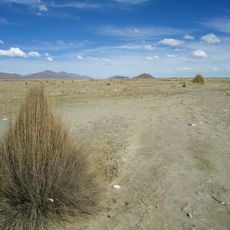
The lake dried up completely in 2015, leaving behind only swampy areas, prompting Bolivia to declare it a disaster zone. This dramatic transformation revealed how vulnerable high-altitude lakes are to climate shifts and water management challenges.
The community of curious travelers
AroundUs brings together thousands of curated places, local tips, and hidden gems, enriched daily by 90,755 contributors worldwide.