Historical Museum of São Caetano do Sul, Historical museum in São Caetano do Sul, Brazil.
The Historical Museum of São Caetano do Sul is a repository housed in the city that collects objects, documents, and photographs tracing how the municipality changed over time. The displays cover different eras and show the progression from early settlement to present day.
The museum was created in 1959 and inaugurated on 23 July 1960 by mayor Oswaldo Samuel Massei at the corner of Baraldi and Rio Grande do Sul streets, but it closed after only one year. It was reopened on 20 August 1977 in the Bosque do Povo during the city's centennial celebrations, and only in December 1988 did it move into the Palacete De Nardi. The idea came from sociologist José de Souza Martins.
The museum's collection was donated by the population and includes work tools, household utensils, clothing, portraits of the colonization pioneers, sacred pieces, furniture and objects from the potteries and ceramics of São Caetano. The project A Peça em Destaque selects one object each month, such as a pair of skates from around 1920 that belonged to the autonomist leader Accacio Spachacquercia, donated by his wife Orlanda in 1939.
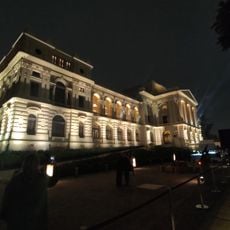
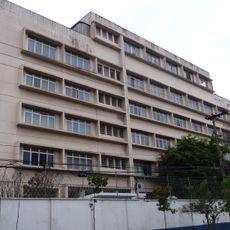
The museum occupies the Palacete De Nardi at the corner of Rua Baraldi and Rua Rio Grande do Sul, in the Fundação neighborhood. The building is a municipal heritage site, and its 60 m² interior is arranged with aluminum shelving that allows the collection to rotate. Exhibitions change every two months, and the museum runs school and community activities.
The museum runs the monthly "A Peça em Destaque" project, which singles out one object with an explanatory label and invites the public to add information about it. The first piece shown was a pair of roller skates from around 1920 that belonged to Accacio Spachacquercia and were donated by his wife Orlanda in 1939.
The community of curious travelers
AroundUs brings together thousands of curated places, local tips, and hidden gems, enriched daily by 94,649 contributors worldwide.