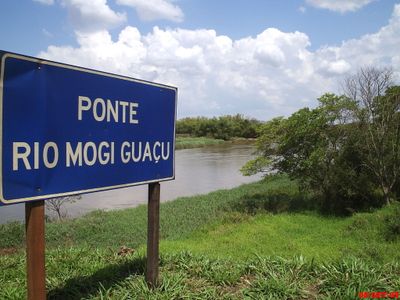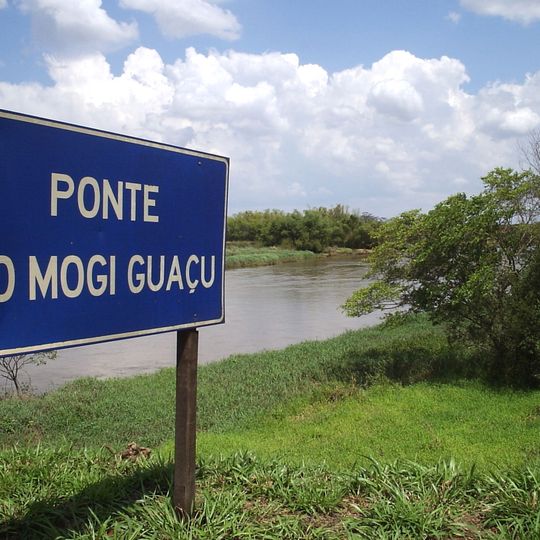
Mojiguaçu River, River system in São Paulo state, Brazil.
The Mojiguaçu is a river system in São Paulo state that flows roughly 470 kilometers from mountainous regions in the south to join the Pardo River. The waterway passes through densely settled areas and is managed with several dams for power generation and water management purposes.
The name comes from the Tupi language of indigenous peoples and means roughly 'big river that winds', reflecting its importance in pre-colonial Brazilian geography. Since Portuguese settlement, the valley has been developed for farming and later equipped with infrastructure for power generation.
The river has long served as a vital food source for local communities and continues to shape daily life in surrounding towns today. Small fishing settlements along its banks keep traditional practices alive and depend on the water for their livelihoods.
Visitors can explore the river valley on foot or by bicycle, with the best access points found in towns along the banks. The best time to visit is during the dry season from May to September, when water levels are lower and pathways are easier to navigate.
The area is known for its waterfalls, especially the dramatic falls near Cachoeira de Emas, where water plunges over multiple tiers. These natural formations draw local and regional visitors who come to experience the river's raw power.
The community of curious travelers
AroundUs brings together thousands of curated places, local tips, and hidden gems, enriched daily by 60,000 contributors worldwide.