Cabangu Museum, Aviation museum in Santos Dumont, Brazil.
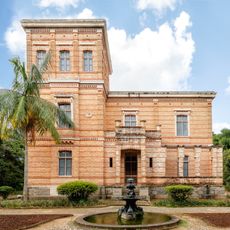
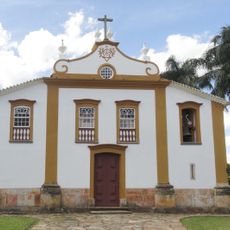
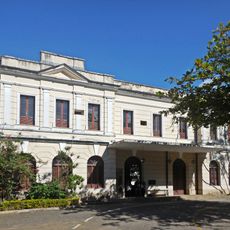
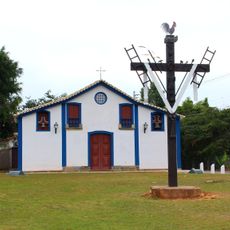
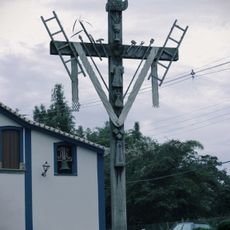
Cabangu Museum is an aviation collection in Santos Dumont dedicated to early aircraft building in Brazil. It houses photographs, personal items, and artifacts from aviation pioneers that document the development of this field in the country.
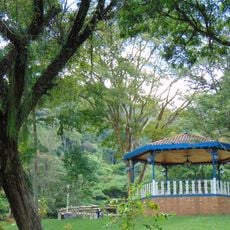
The Fazenda Cabangu was a federal property used as a support base for the Central do Brasil Railway's Mantiqueira section, and Henrique Dumont lived there when his son Alberto was born on 20 July 1873. The site was listed by IPHAN in 1950. Historian Oswaldo Castello Branco rescued the abandoned contents in 1932, created the Fundação Casa de Cabangu in 1949, and the museum opened in 1973 for the centenary.
The museum honors women in aviation and displays personal items belonging to Anésia Pinheiro Machado, Brazil's first female pilot. Her ashes rest here, telling the story of female pioneers in a male-dominated field.
The museum sits outside the main town center and requires advance planning to check operating hours and accessible transport options. It is wise to contact ahead since operating conditions can vary.
Cabangu has three proposed origins: a folk tale that "Acabou o angu" ("the angu is finished"), a railroad workers' phrase, became Cabangu; a caboclo surnamed Cabangu who lived here during the Inconfidência Mineira; and Tupi-Guarani "caa" (woods) plus "bangu" (dark).
The community of curious travelers
AroundUs brings together thousands of curated places, local tips, and hidden gems, enriched daily by 92,816 contributors worldwide.