Araruama Lagoon, hypersaline lagoon in Região dos Lagos, Rio de Janeiro, Brazil
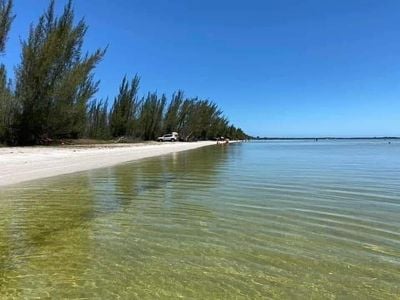
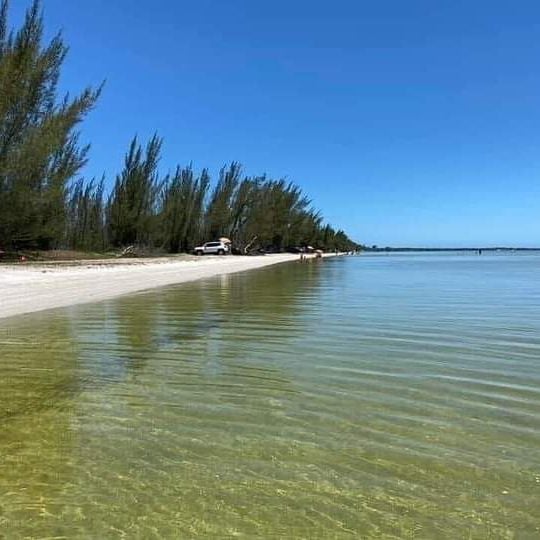
Araruama Lagoon is a hypersaline lagoon in the Região dos Lagos of Rio de Janeiro state, spanning Saquarema, Araruama, Iguaba Grande, São Pedro da Aldeia, Cabo Frio and Arraial do Cabo. It covers 220 km², measures 37 km long and up to 13 km wide, and averages 2 to 3 m deep, reaching 19 m in places. Its 160 km of shoreline is lined with about 57 beaches and 28 points, and it connects to the Atlantic only through the Itajuru Canal in Cabo Frio.
Araruama Lagoon is estimated to be between 5,000 and 7,000 years old. Its connection to the Atlantic is limited to the Itajuru Canal in Cabo Frio, and only two permanent rivers feed it, the Rio das Moças and the Rio Mataruna, both in Araruama. Because evaporation exceeds rainfall, its water stays hypersaline, with salinity around 52, about one and a half times that of the ocean.
The name Araruama comes from Tupi Arara'y'u-aba, "place where the macaws drink water". Around the lagoon, fishing communities still catch fish and shrimp with line and net, gather shellfish and crabs in the mangroves, and extract salt; small boats also carry passengers across the water.
The lagoon connects to the Atlantic only through the Itajuru Canal in Cabo Frio, and its water renews slowly: half the volume is exchanged every 84 days. Bathing conditions vary by beach, so check the Inea bathing bulletins, which monitor about half the beaches across five municipalities. Access from Rio de Janeiro, 120 km away, is via the BR-101 to Rio Bonito then the RJ-124, or along the RJ-106 coast road.
Its average salinity is about 52%, roughly one and a half times that of the ocean, so it is salt water rather than brackish. Because rainfall (750–900 mm a year) is lower than evaporation (890–1,370 mm), the lagoon stays hypersaline, and only the Itajuru Canal at Cabo Frio links it to the Atlantic.
The community of curious travelers
AroundUs brings together thousands of curated places, local tips, and hidden gems, enriched daily by 94,733 contributors worldwide.