Historic Site of Prainha, Historical district in Vila Velha, Brazil
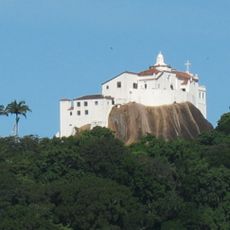
The Historic Site of Prainha in Vila Velha centres on the Igreja de Nossa Senhora do Rosário, begun in 1535, and the Convento da Penha, started in 1558 on a hilltop 154 metres high. The Museu Casa da Memória, run by the Instituto Histórico e Geográfico de Vila Velha, keeps photographs, flags, navigation instruments, statues and the tram Bonde 42 from 1930. The Gruta do Frei Pedro Palácios, where the friar is said to have lived, is also part of the site.
The area marks the first European settlement in Espírito Santo state, established in 1535 with the construction of Igreja do Rosário church. The site later developed into an important administrative and defense center for the Portuguese colony.
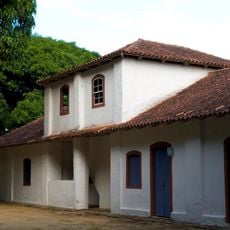
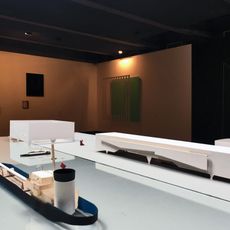
The Museu Casa da Memória, run by the Instituto Histórico e Geográfico de Vila Velha, keeps photographs, flags, navigation instruments and statues, plus the tram Bonde 42, a 1930 example of the city's public transport. The name Prainha refers to the small beach where the Portuguese landed in 1535.
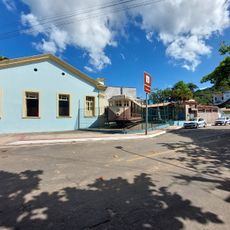
The historic site is spread across the Prainha area of Vila Velha, with the Igreja de Nossa Senhora do Rosário at its base and the Convento da Penha on a hilltop 154 metres above. Reaching the convent means climbing the hill; the church and the Museu Casa da Memória sit at street level. The site was officially created by law in 2015.
The Gruta do Frei Pedro Palácios is the shelter where Frei Pedro Palácios is said to have lived in his first years, before starting the Convento da Penha in 1558. From this spot he is said to have preached. The cave is named after him and is listed among the site's heritage assets.
The community of curious travelers
AroundUs brings together thousands of curated places, local tips, and hidden gems, enriched daily by 94,734 contributors worldwide.