Abrolhos Marine National Park, Marine national park in Caravelas, Bahia, Brazil
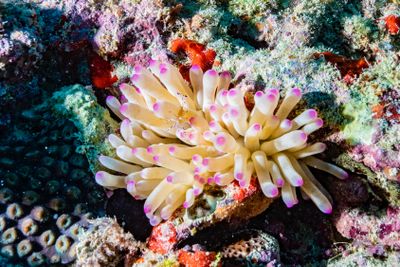
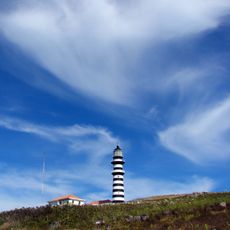
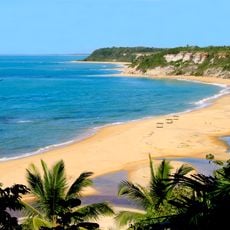
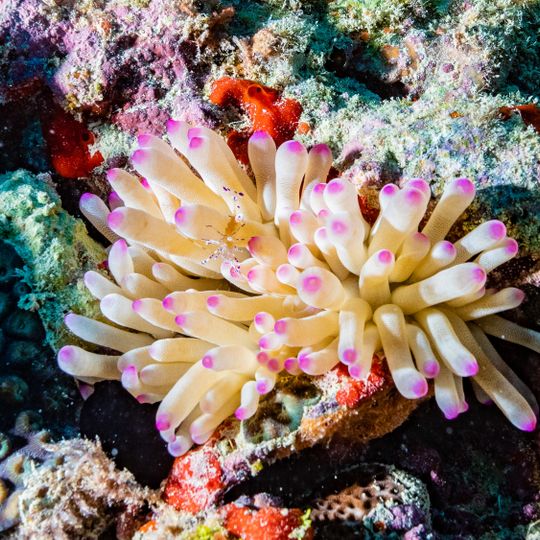
Abrolhos Marine National Park is a protected ocean area off Brazil's Atlantic coast, centered on five volcanic islands surrounded by coral formations. The zone includes seagrass beds and mangrove areas that together support a rich marine environment.
The park was created by decree 88.218 on 6 April 1983, the first area in Brazil designated a national marine park, and is run by ICMBio. It joined the Central Atlantic Forest Ecological Corridor in 2002, became an Atlantic Forest Biosphere Reserve outpost in 2003 and a Ramsar site in 2010. Charles Darwin had visited the archipelago in 1830.
The name Abrolhos is commonly explained as a contraction of Portuguese "abre os olhos" ("open your eyes"), a warning to sailors of the shallow reefs. The park is a destination for whale watching: humpback whales use these warm waters to breed and nurse their calves, and it is considered the largest breeding ground for the species in the western South Atlantic. Southern right whales have also begun returning after many years.
Access to the islands is typically by boat, with hiking trails available on some islands for exploration. The season from May through October offers the best conditions for spotting migrating marine mammals.
The park was the first area in Brazil to receive the title of national marine park, created by decree 88.218 on 6 April 1983. It is managed by ICMBio and covers about 91,300 hectares. Since 2003 it has been an outpost of the Atlantic Forest Biosphere Reserve, and in 2010 it was recognised as a Ramsar site.
The community of curious travelers
AroundUs brings together thousands of curated places, local tips, and hidden gems, enriched daily by 92,812 contributors worldwide.