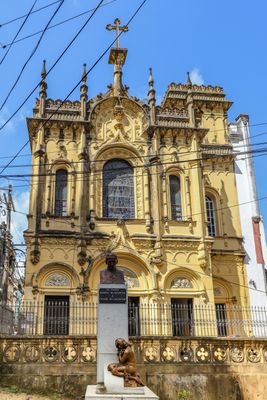
Chapel of Our Lady of Help, Neo-Manueline Catholic chapel in Salvador, Brazil
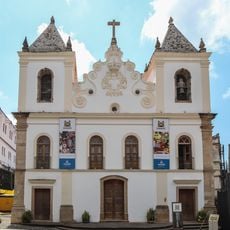
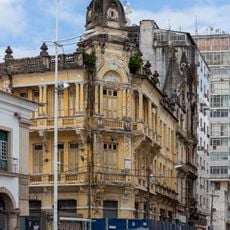
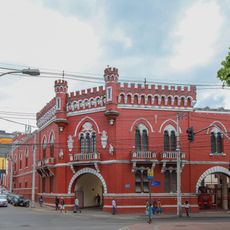
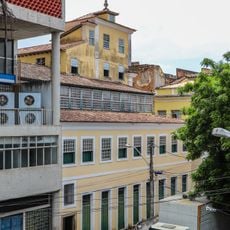
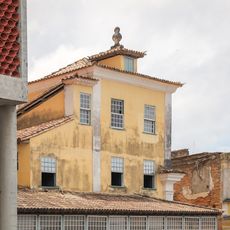
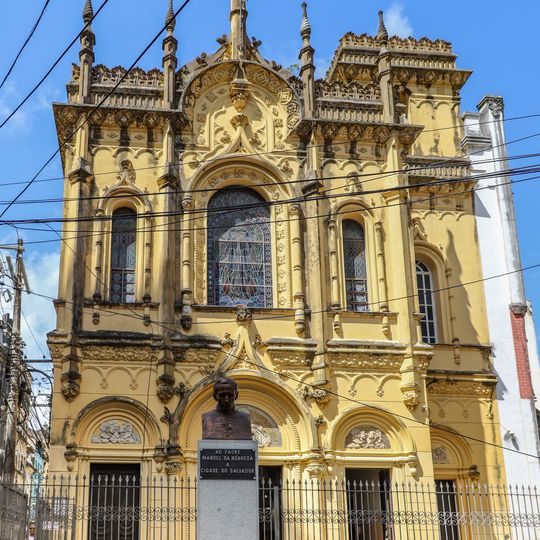
The Chapel of Our Lady of Help is a Catholic church in Neo-Manueline style, marked by detailed stone carving and a thoughtfully organized interior layout. The building contains a main nave, choir area, side chapel, and noteworthy fixtures including a 17th-century wooden pulpit that remains in place.
A Jesuit church originally stood on this site, founded in 1549 and serving religious life for centuries. The current building was constructed in 1912 as a successor structure and received heritage protection from Brazil's national monument authority in 1938.
The chapel takes its name from a patron saint and served for centuries as a gathering place for those seeking spiritual support and divine protection. Visitors can encounter the original statue from 1549 and feel the connection to the Jesuit mission that shaped this sacred space.
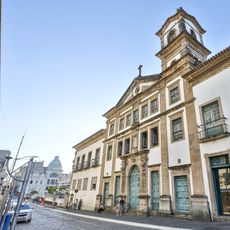
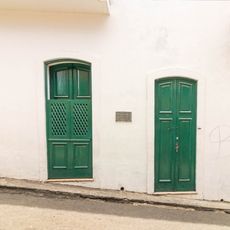
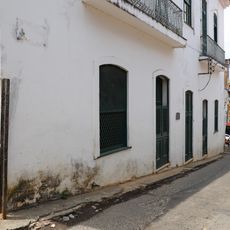
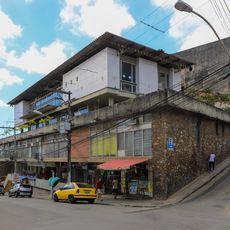
The chapel sits on Rua da Ajuda and remains an active place of worship under the Catholic Archdiocese of Salvador. Plan to visit during hours when the church is open to the public and dress respectfully, as it functions as a working religious space.
Italian architect Giulio Conti designed the chapel by blending European architectural traditions with local colonial practices. This fusion of Portuguese building forms and Brazilian heritage makes the structure a notable example of cultural exchange visible in the city's architectural story.
The community of curious travelers
AroundUs brings together thousands of curated places, local tips, and hidden gems, enriched daily by 92,618 contributors worldwide.