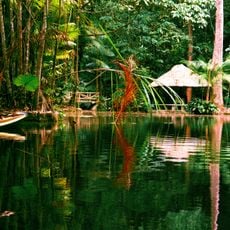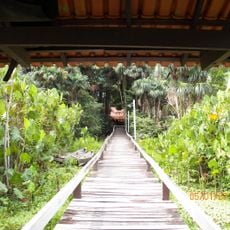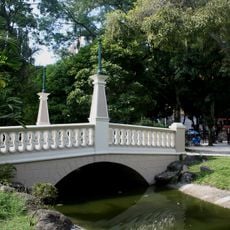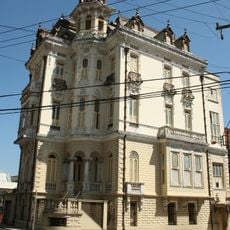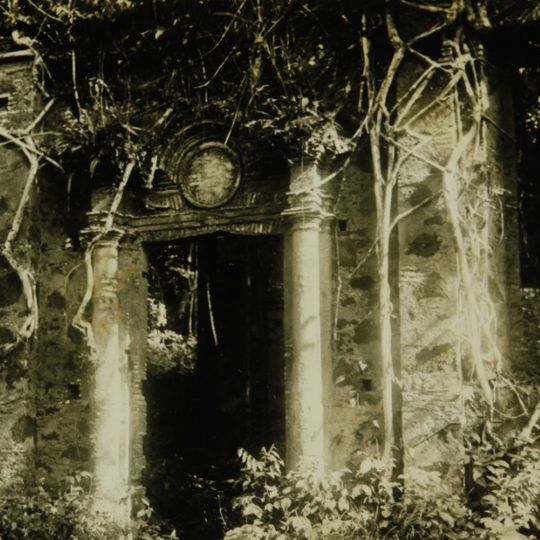
Murutucu Plantation, Historic plantation and chapel in Curió-Utinga, Belém, Brazil.
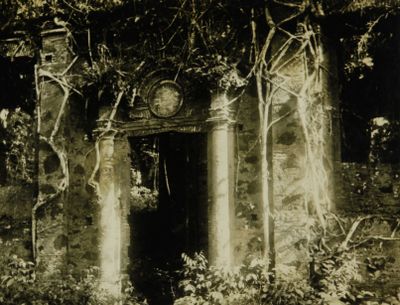
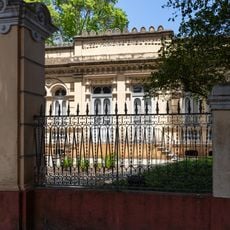
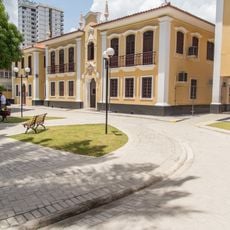
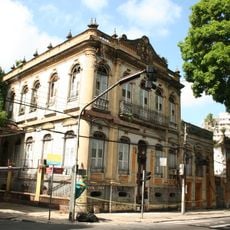
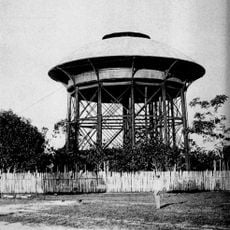
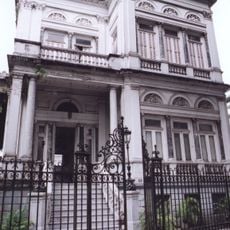
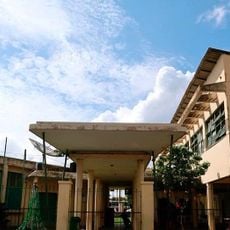
Murutucu Plantation is a complex of several buildings in Belém, including a sugar mill, a neoclassical chapel, and residential structures from the colonial period. The site preserves remnants of agricultural facilities and shows how a historical production operation was organized.
The site was founded in 1610 and initially operated as a sugar mill and tile factory under the management of João Manuel Rodrigues in the Grão-Pará Captaincy. In 1711, Carmelite monks built the chapel to serve as a religious center for the complex.
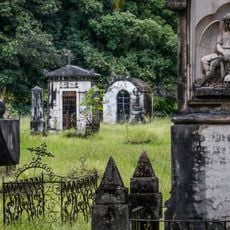
The neoclassical chapel at this site shows how Portuguese religious architecture took shape during the colonial period in Brazil. Visitors can observe the design and see what was once a spiritual center for those living and working on the plantation.
The complex is located at Estrada da Ceasa in the Curió-Utinga neighborhood and is managed by a research organization today. Visitors should check beforehand, as the site is maintained for research purposes.
Archaeological excavations at the site have uncovered extensive material traces showing how colonists, enslaved people, and indigenous inhabitants lived together. These findings offer rare insights into the complex social relationships during the early colonial period.
The community of curious travelers
AroundUs brings together thousands of curated places, local tips, and hidden gems, enriched daily by 92,311 contributors worldwide.