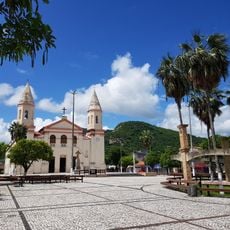
Museu Dom José, Cultural museum in Sobral, Brazil.
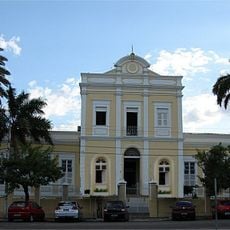
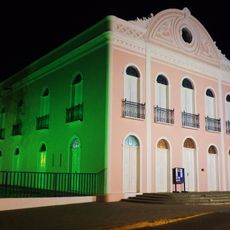
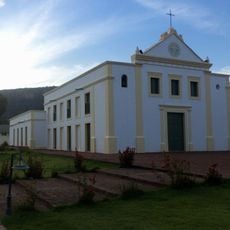
Museu Dom José occupies a Portuguese-Brazilian mansion built in 1844 by Major João Pedro Bandeira de Melo, in Sobral. Its 36 rooms hold over 30,000 pieces, from sacred images and vestments to numismatic collections, old documents, litters, slave-punishment instruments, washbasins, chamber pots, tureens, cutlery and musical instruments. The palaeontology collection exceeds 5,000 fossils, including the holotype of Arenactinia ipuensis, a 440-million-year-old sea anemone.
Dom José Tupinambá da Frota, first bishop of Sobral, founded the museum on 29 March 1951. It occupies a mansion built in 1844 by Major João Pedro Bandeira de Melo, which the bishop bought and used as the episcopal residence before turning it into a museum. The building is now listed as cultural heritage of Sobral.
The museum belongs to the Diocese of Sobral and holds more than thirty thousand pieces, making it one of Brazil's main sacred art collections. Its name honours Dom José Tupinambá da Frota, the city's first bishop, who founded it in 1951. Among the 36 rooms are vestments, coins, old documents, musical instruments and the litters once used to carry people through the streets.
The museum has been closed for renovations since 2019, with reopening expected by 2027, so check its status before planning a visit. When it reopens, the 36 rooms occupy a mansion built in 1844, and the collection is shared with Universidade Estadual Vale do Acaraú for research and internships.
The collection includes everyday household items like washbasins, chamber pots, and cutlery that reveal intimate details of how people actually lived in past centuries. These ordinary objects often tell more personal stories than the grand religious artworks on display.
The community of curious travelers
AroundUs brings together thousands of curated places, local tips, and hidden gems, enriched daily by 93,730 contributors worldwide.