Museu do Eclipse, Science museum in Sobral, Brazil
The Museu do Eclipse is a museum dedicated to displaying astronomical observations and instruments used to study the sun and lunar shadows. The exhibits present original equipment and documents that explain how scientists gathered evidence from the sky.
The museum was established to preserve observations from the 1919 solar eclipse in Sobral, an event that confirmed Einstein's theories about gravity and light. This moment put the city on the map as a place where science advanced.
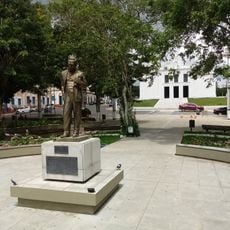
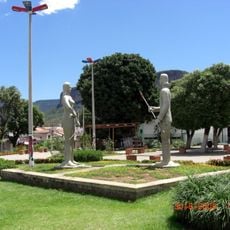
The museum's name comes from the 1919 eclipse, and its collection includes Brazil's first lunar map and the New York Times issue reporting the confirmation of relativity. A 1974 monument to the eclipse and a 1923 monument marking Sobral's 200th anniversary stand in Praça do Patrocínio alongside the building.
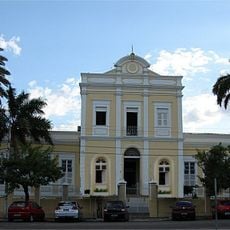
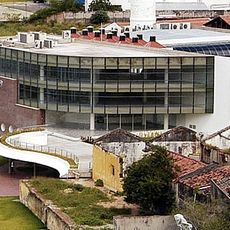
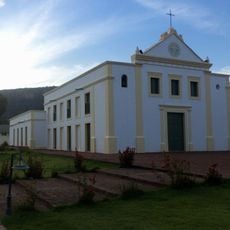
The museum sits on Praça do Patrocínio, at the exact spot where the 1919 eclipse was observed, and its two half-moon wings lie partly below ground level. The building is fully air-conditioned and holds an observatory with the most powerful telescope in northern and northeastern Brazil. Look for the 1974 eclipse monument and the restored 1923 monument on the square.
The building contains original instruments and photographs from the British expedition that measured how light bent during the 1919 eclipse. These artifacts reveal the hands-on work behind one of the most important scientific confirmations of the era.
The community of curious travelers
AroundUs brings together thousands of curated places, local tips, and hidden gems, enriched daily by 92,814 contributors worldwide.