Albany Museum, History museum in Makhanda, South Africa
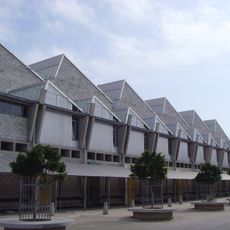
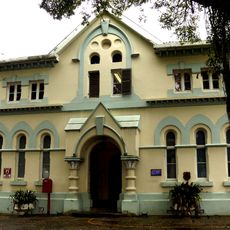
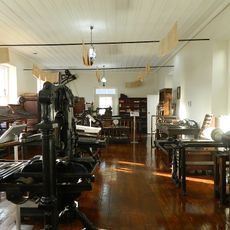
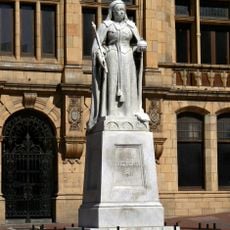
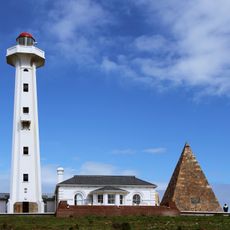
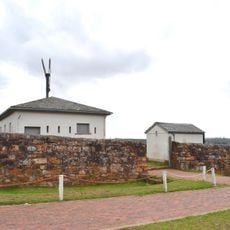
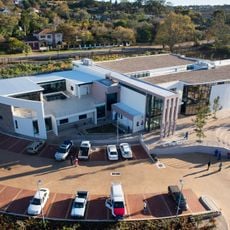
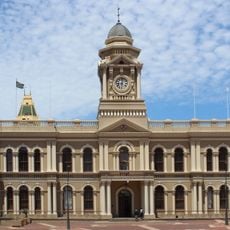
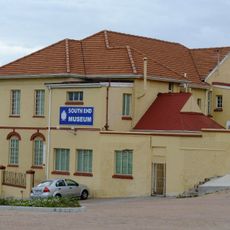
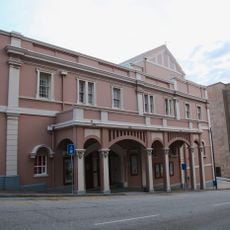
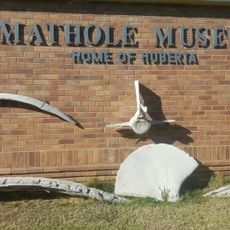
The Albany Museum is a history museum in Makhanda spread across seven buildings displaying geological collections, natural history objects, and archaeological finds. It includes specialized sections such as the Natural Sciences Museum, History Museum, Observatory Museum, and Fort Selwyn.
The Albany Museum was founded in 1855, making it South Africa's second oldest museum, with the natural history and geology collections of the Eastern Province Literary, Scientific and Medical Society as its nucleus. B. J. Glanville served as honorary curator from 1855 to 1882, followed by Mary Glanville until 1888. John Hewitt then directed the museum from 1910 to 1958.
The museum's cultural collections centre on Palaeolithic stone tools that Thomas Holden Bowker (1808–1885) found near the Great Fish River, now held among the Albany Museum's archaeology. The herbarium also keeps 240 plant specimens donated by Constance Georgina Adams in 1919, material that documents the region's flora as it was collected a century ago.
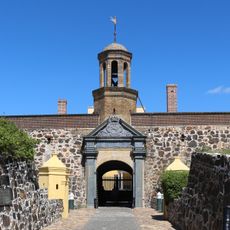
The Albany Museum's seven sites are scattered across Makhanda rather than in one building: the Natural Sciences and History museums, the Observatory Museum, Fort Selwyn, the Old Provost prison, the Drostdy Arch and the Old Priest's House. Plan to move between them on foot through the town centre, and check each site's opening arrangements before setting out.
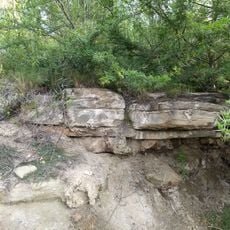
The herbarium holds a set of 240 specimens donated by Constance Georgina Adams in 1919, alongside material collected by William John Burchell from 1812. Its fossil collection includes tetrapod remains from the Waterloo Farm lagerstätte, and its Palaeolithic stone tools were found by Thomas Holden Bowker (1808–1885) near the Great Fish River.
The community of curious travelers
AroundUs brings together thousands of curated places, local tips, and hidden gems, enriched daily by 94,002 contributors worldwide.