Swartkrans, Archaeological site in Gauteng, South Africa
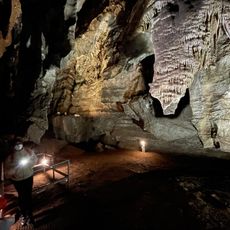
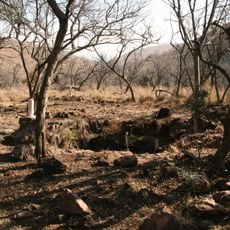
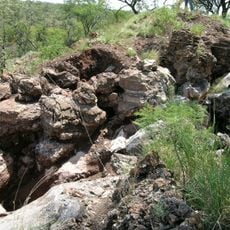
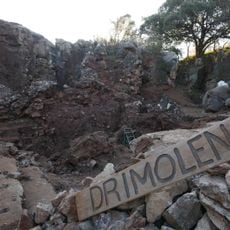
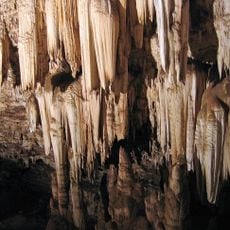
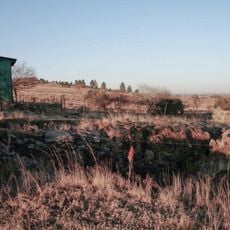
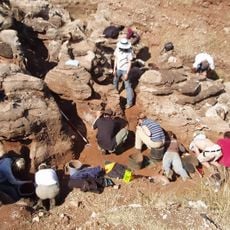
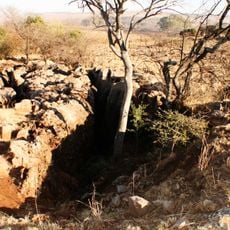
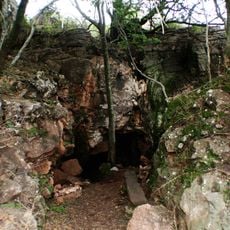
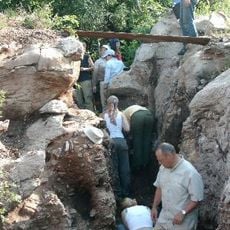
Swartkrans is an archaeological site featuring limestone caves that hold multiple layers of fossilized remains. The excavated areas reveal how different geological periods are stacked, showing evidence of early human ancestors and animals that inhabited the region.
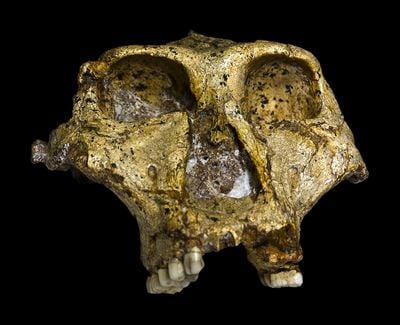
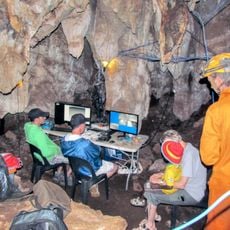
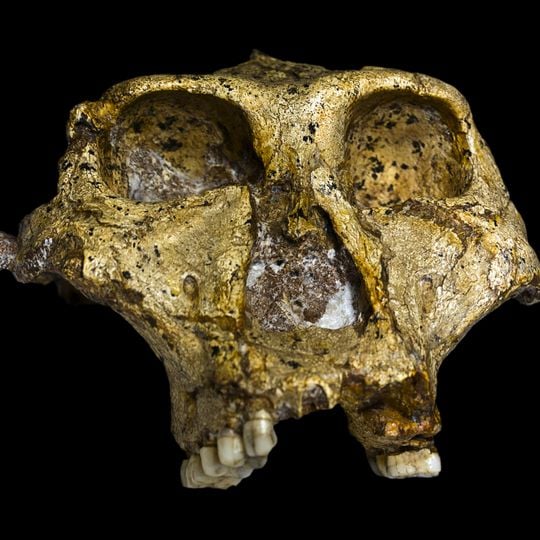
Robert Broom and John Robinson identified hominin remains at Swartkrans in 1948, the first site where Paranthropus and early Homo were found together. Excavation paused until the mid-1960s, when C. K. Brain's team recovered thousands of artifacts and faunal remains, 415 of them hominin, and mapped a stratigraphy more complex than expected. The University of the Witwatersrand bought the farmland in 1968.
Swartkrans takes its name from the Afrikaans words for "black cliff", after the dark dolomite limestone exposed at the site. The cave lies on the Blaauwbank River, one kilometre from Sterkfontein, and both form part of the Cradle of Humankind World Heritage Site in Gauteng. Excavations by Robert Broom and later C. K. Brain produced thousands of artefacts and faunal remains, 415 of them hominin.
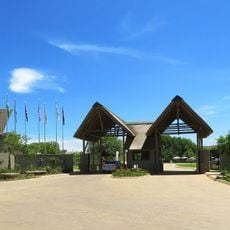
Swartkrans lies on the Blaauwbank River, 1 km from Sterkfontein and about 32 km from Johannesburg in the Cradle of Humankind. The cave is on land bought by the University of the Witwatersrand in 1968, so access is not a public park arrangement; arrange any visit through the university or a Cradle of Humankind tour operator. The excavated deposits are exposed in the cave, so expect uneven ground.
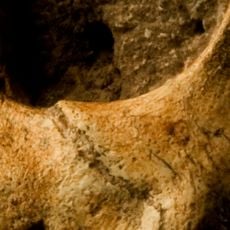
The 2016 announcement concerned a partial left fifth metatarsal, catalogued SK 7923, from an unclassified hominin. Microfocus X-ray computed tomography revealed an osteosarcoma, the earliest known cancer in a hominin. The bone is not a foot of a named species, and the diagnosis rests on scanning rather than on the naked eye.
The community of curious travelers
AroundUs brings together thousands of curated places, local tips, and hidden gems, enriched daily by 94,460 contributors worldwide.