Malamulele, human settlement in South Africa
Malamulele is a town in Limpopo Province, South Africa, that serves as the administrative and trading center for many surrounding villages. It has markets, shops along streets, and simple buildings that reflect the daily life of its residents.
The town was founded in the 1960s during apartheid when people were relocated from their original lands. After apartheid ended in 1994, the place was incorporated into larger administrative structures and gradually developed as a local government center.
Tsonga is the main language heard throughout daily life, and it shapes the identity of the community. Traditional rituals like initiation ceremonies and ancestor veneration remain important, and during local gatherings and celebrations you see traditional music and dancing that keep the history of the place alive.
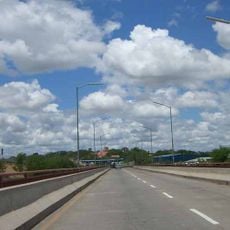
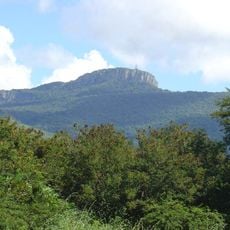
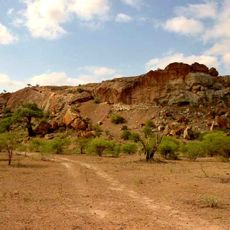
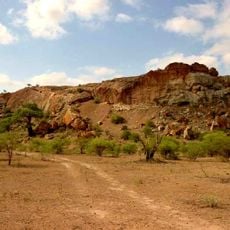
The town sits in a dry climate with hot summers and brief cool winters, with rain falling mainly in summer months. Roads can be rough and water is sometimes scarce, so plan ahead and ask locals for guidance when needed.
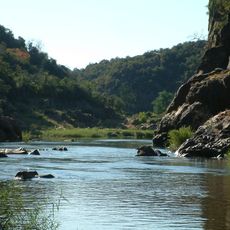
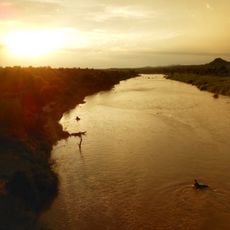
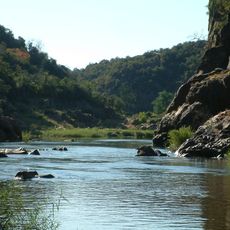
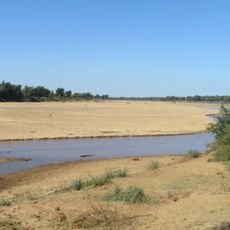
The town sits between two rivers, the Levubu and the Letaba, that flow through the area and shape the landscape. These waterways played a quiet but important role in how the place developed and continue to influence how people farm and live today.
The community of curious travelers
AroundUs brings together thousands of curated places, local tips, and hidden gems, enriched daily by 92,590 contributors worldwide.