Mapungubwe Cultural Landscape, Archaeological heritage site in Limpopo Province, South Africa
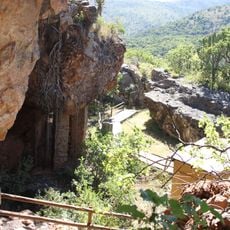
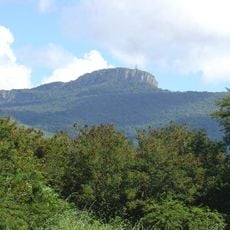
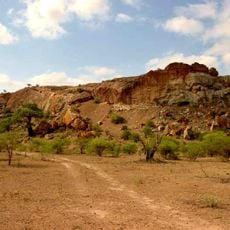
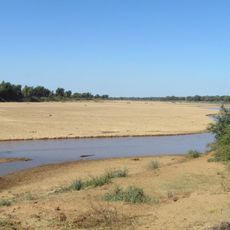
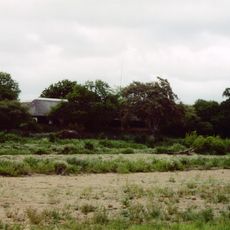
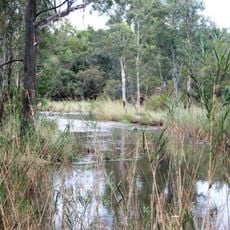
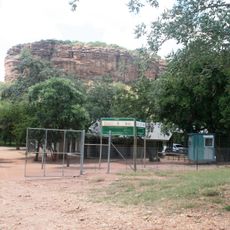
Mapungubwe Cultural Landscape is a UNESCO World Heritage Site in Limpopo, South Africa, at the confluence of the Shashe and Limpopo rivers. It centres on Mapungubwe Hill, a sandstone hill about 30 m high with a flat top roughly 300 m long, where a ruling elite lived separately from the population below. The surrounding 9 ha hold remains of the first city-state in southern Africa, occupied from about 1220 to 1290.
This site functioned as a major trade center between the 11th and 13th centuries, exchanging gold, ivory, and other goods with ports across the Indian Ocean. Its prosperity declined as trade routes shifted and the region's importance diminished.
The royal graves reveal how people lived and what they valued through their burial practices. The precious objects found here, such as golden rhinos and decorated bowls, show that a wealthy and organized society flourished at this location.
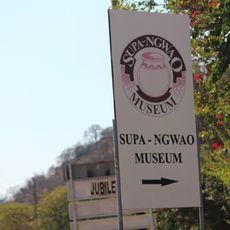
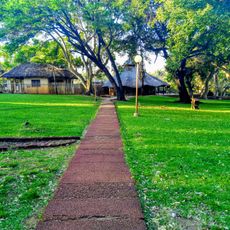
The best time to visit is during cooler months, as summers can be very hot in this region. The visitor center near the entrance provides information, and wearing comfortable shoes is important since trails cross uneven terrain and hillsides.
The gold objects from Mapungubwe include a rhinoceros figurine covered in gold foil, found with other gold ornaments, pottery, Chinese celadon and glass beads. The finds date from about 1000 to 1300 CE. Excavation began after farmer ESJ van Graan and his son found artefacts on the hilltop on 31 December 1932 and reported them to Leo Fouché of the University of Pretoria.
The community of curious travelers
AroundUs brings together thousands of curated places, local tips, and hidden gems, enriched daily by 93,140 contributors worldwide.