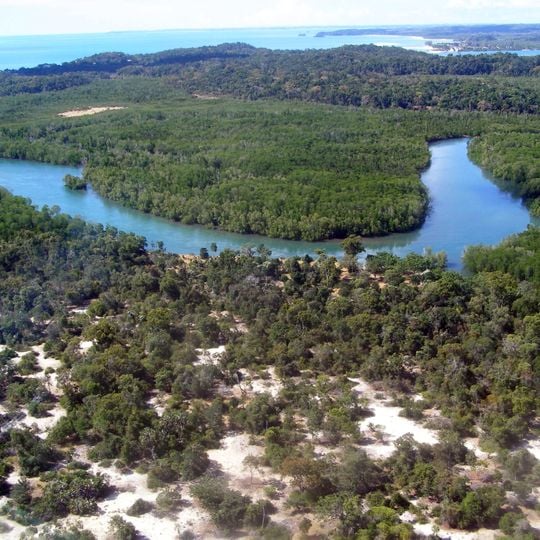
Madagascar dry deciduous forests, Protected dry forests in western Madagascar.
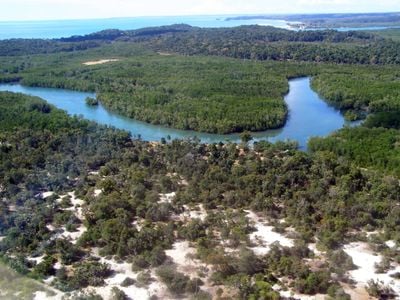
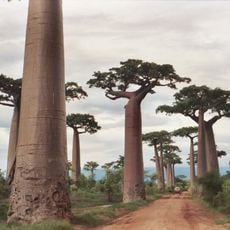
This dry woodland in western Madagascar features limestone rock formations and baobab trees that stand across a savanna-like landscape. The terrain stretches across open areas where trees are spaced apart and adapted to long dry seasons.
These forests once held remarkable biodiversity until farming and human settlement in the 20th century significantly reduced their extent. Only small protected areas now remain of what was once a far larger woodland region.
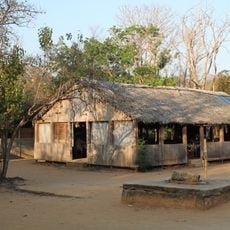
Local communities have shaped their way of living around the forest, using different zones for specific activities according to long-established customs. People here have learned to work with nature in a way that allows both the community and the forest to exist together.
Entry to protected areas like Ankarafantsika National Park requires permits, and guided tours can be arranged to explore the region safely. The best time to visit is between October and April when conditions are more favorable for walking and observing wildlife.
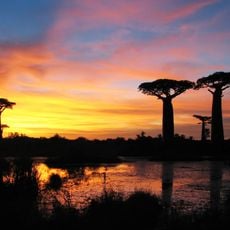
The region contains four baobab species, three of which live nowhere else on Earth besides Madagascar. Several lemur species found here also exist only on this island, making it a place of truly exceptional animal life.
The community of curious travelers
AroundUs brings together thousands of curated places, local tips, and hidden gems, enriched daily by 60,000 contributors worldwide.