Cosmoledo, Atoll in the Outer Islands, Seychelles
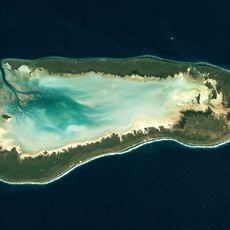
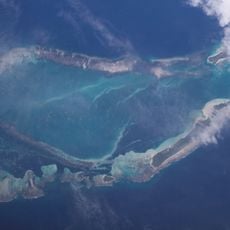
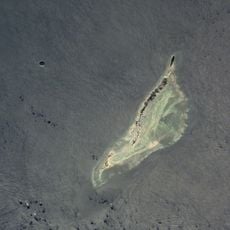
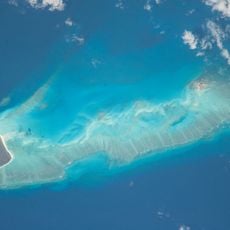
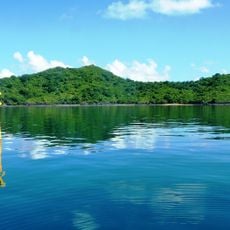
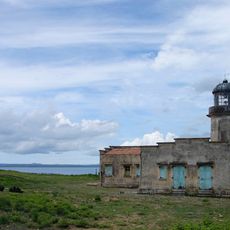
Cosmoledo is a raised coral atoll in the Aldabra Group of the Seychelles, measuring 17 km east–west and 12.5 km north–south. Its 5.2 km² of land is divided among 16 named cays, the largest being Menai (2.3 km²) and Grande Île (1.6 km²), while the lagoon and reef flats cover 145 km². The lagoon reaches 8.2 m deep, and two main passes connect it to the ocean.
The atoll is named after António Gonçalves Cosme Ledo, pilot of the Flor de la Mar on the 1537 voyage to India. Menai and Wizard islands were named after ships of the 1822 Moresby Expedition. Settled after 1878, Cosmoledo was a fishing and turtling station until it was abandoned in 1992.
The atoll's name honours António Gonçalves Cosme Ledo, a pilot who sailed to India in 1537, while Menai and Wizard Islands recall ships of the 1822 Moresby Expedition. Island Conservation Society staff work here during the fishing season on conservation and rehabilitation, and fly-fishing cruises visit regularly.
Cosmoledo lies 1,029 km southwest of Victoria and is reached only by boat or private aircraft; there is no accommodation on the atoll, so visitors must bring everything they need. Regular fly-fishing cruises run to the atoll, and the Island Conservation Society keeps staff there during the fishing season. Astove Island, the nearest land, is 35 km to the south.
Cosmoledo holds the Indian Ocean's largest population of red-footed boobies, censused by the Island Conservation Society at about 15,000 pairs. The atoll also has Seychelles' only other breeding population of brown booby, mainly on South Island. In May 2023, the society found Caspian terns breeding on Menai, only the second known oceanic breeding site in the world after Aldabra.
The community of curious travelers
AroundUs brings together thousands of curated places, local tips, and hidden gems, enriched daily by 93,832 contributors worldwide.