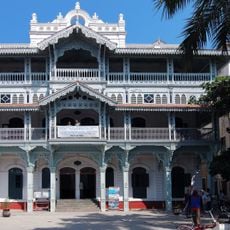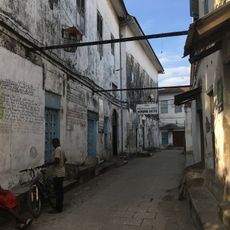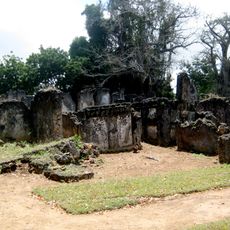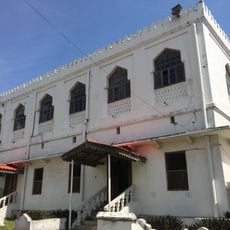
Zanzibar Islands, Archipelago administrative region in Tanzania.
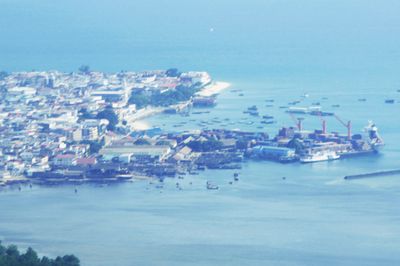
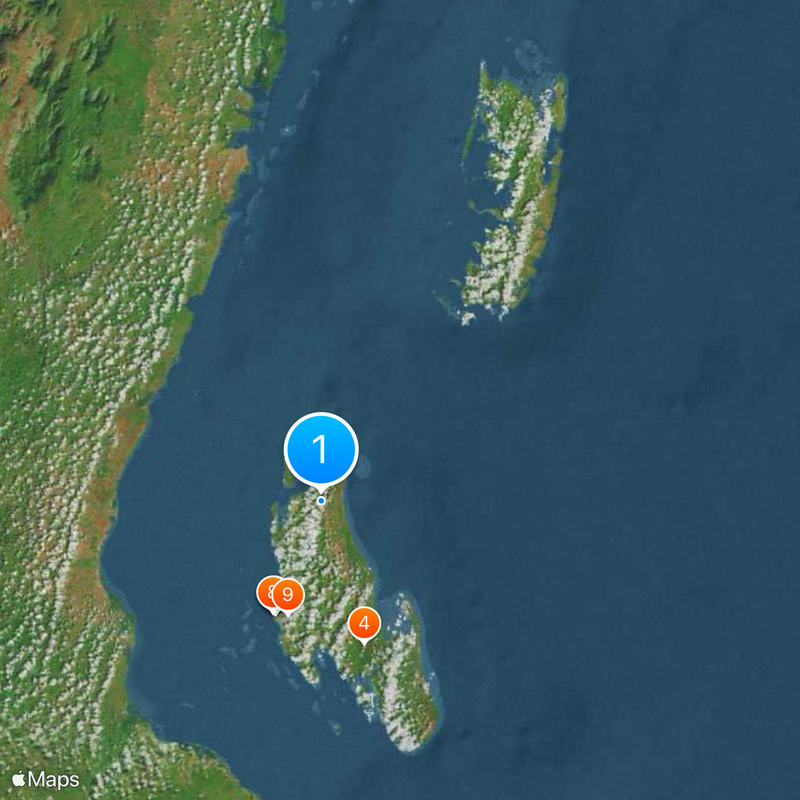
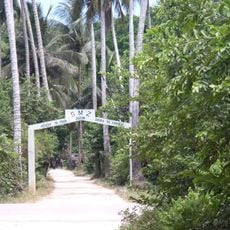
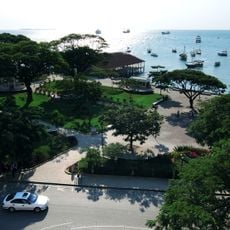
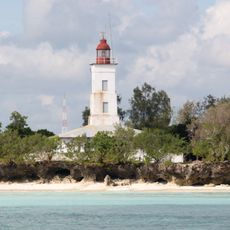
The archipelago includes two main islands, Unguja and Pemba, along with many smaller islets scattered in the Indian Ocean roughly 30 kilometers (18 miles) from Tanzania's mainland coast. The territory features white sand beaches, turquoise waters and dense vegetation inland.
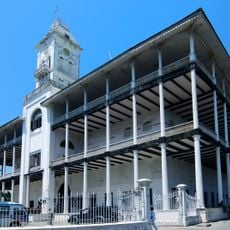
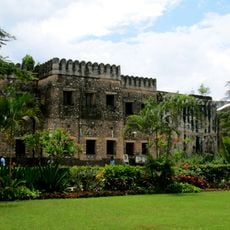
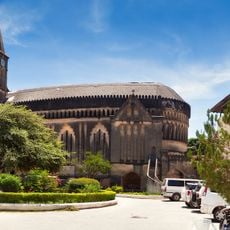
During the 1800s, the territory became a major trading hub for spices, ivory and slaves under Omani rule, connecting Africa, Arabia and Asia. The region gained independence in 1963 and merged with Tanganyika one year later to form present-day Tanzania.
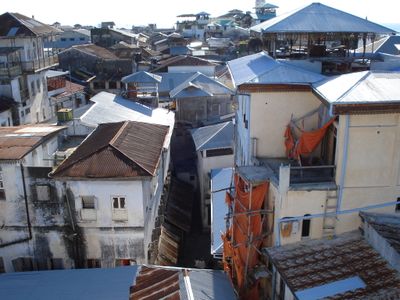
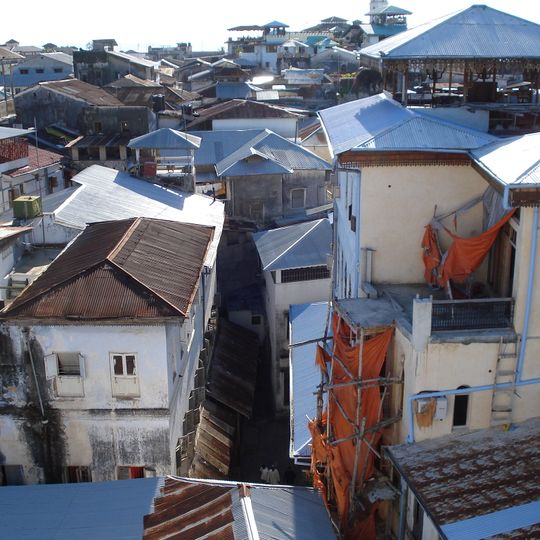
Local markets fill with vendors selling fresh spices, hand-woven textiles and carved wooden items, while the call to prayer echoes five times daily through the alleyways. Fishermen return each morning in traditional dhow boats and sell their catch directly on the beach, where women in colorful khangas start the day.
Travelers reach the area by regular flights from the mainland or by taking a two-hour ferry that departs several times daily from Dar es Salaam port. The best time to visit falls outside the long rainy season from March to May, when roads can become difficult to navigate.
Spice plantations cover large areas on both main islands and produce cloves, nutmeg, cinnamon and black pepper for the global market. Visitors can walk through the fields, touch the plants and taste directly from the trees while guides explain the use of each variety.
The community of curious travelers
AroundUs brings together thousands of curated places, local tips, and hidden gems, enriched daily by 91,998 contributors worldwide.