Pekalongan Batik Museum, Batik heritage museum in Pekalongan, Indonesia.
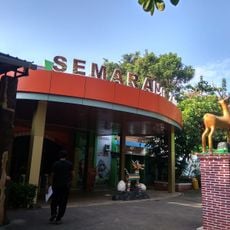
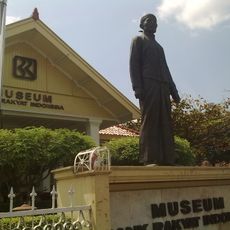
The Pekalongan Batik Museum is a building that holds a large collection of batik cloths from various regions of Indonesia. The exhibits show how these textiles were made by hand, what materials were used, and the range of patterns that developed over time.
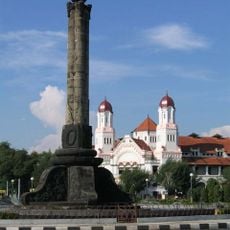
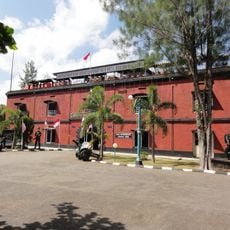
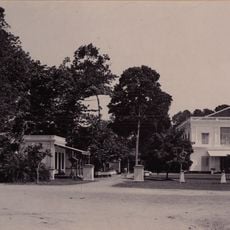
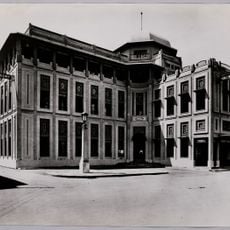
The building served as Pekalongan's city hall from 1906, when it stood among the church and post office in the colonial centre; under Dutch rule it housed the finance office overseeing seven sugar factories in the residency. In 1972 the Paguyuban Pecinta Batik Pekalongan was formed, but the museum itself was inaugurated on 12 July 2006 by President Susilo Bambang Yudhoyono, during the 59th National Cooperative Day.
The museum's name comes from the Paguyuban Pecinta Batik Pekalongan (PPBP), a community of batik makers and enthusiasts formed in 1972. Its three main rooms display coastal Javanese batiks from Cirebon, Pekalongan, Batang and Rembang, alongside a Nusantara room with cloths from Banten, Kalimantan, Garut, Indramayu, Madura and Papua. A collection of a thousand batik umbrellas was made by artists, students and craftspeople during the 2011 National Batik Day on Jalan Jetayu.
The museum occupies a compact 40-square-metre building with three main exhibition rooms, so allow time to read the labels and examine the tools on display. The building is easy to navigate, and staff can answer questions or offer informal guidance.
The museum preserves batiks from the period when Japan occupied Indonesia during World War II, including special patterns created under that occupation. These rare pieces tell the story of how craftspeople continued their traditions even under difficult political circumstances.
The community of curious travelers
AroundUs brings together thousands of curated places, local tips, and hidden gems, enriched daily by 94,794 contributors worldwide.