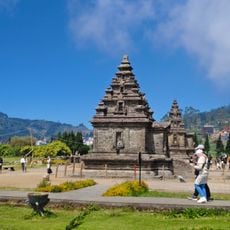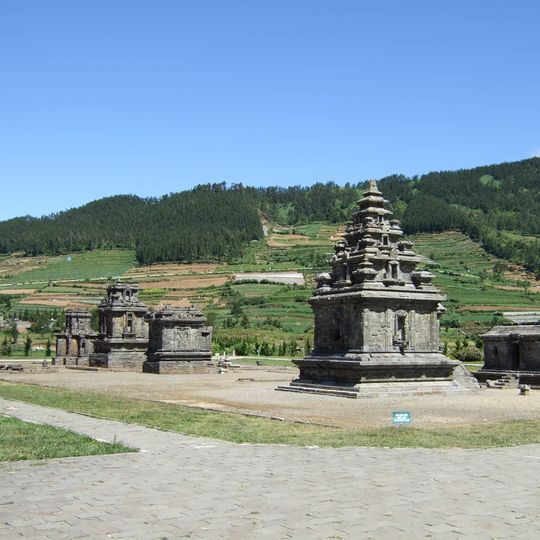
Dieng temples, Hindu temple complex in Central Java, Indonesia
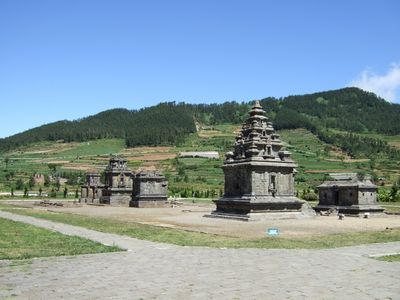
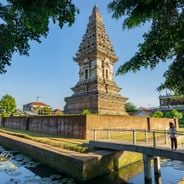
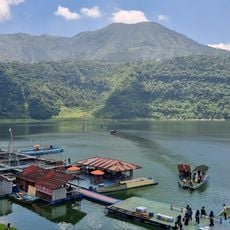
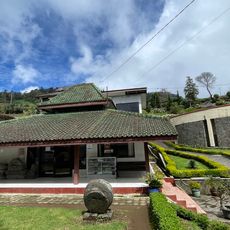
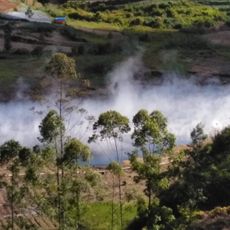
Dieng Temples form a cluster of eight stone structures on the Dieng Plateau in Central Java, Indonesia, standing between volcanic craters and hot springs. The structures are made from dark volcanic stone and show simple square floor plans with narrow doorways and low roofs that barely rise above the surrounding fields.
The structures date from the 7th to the 9th centuries as part of a larger site that once held more than four hundred buildings. The complex was abandoned during the medieval period and fell into obscurity until European researchers rediscovered the site in the early 19th century.
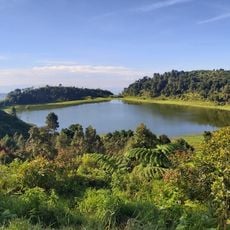
The site sits in an area inhabited by farmers who grow potatoes and vegetables on the cool highland flats. Many of these farmers arrive early in the morning to fields that stretch directly beside the old walls, and the smell of freshly ploughed earth mixes with the sulfur scent from nearby springs.
The high elevation means temperatures remain cool even during the day, and visitors should bring a jacket and sturdy shoes. Most visitors arrive in the morning when the mist clears and views of the surrounding mountains open up.
The reliefs on the walls show not only religious figures but also representations of plants and animals native to the area. The orientation of the structures follows a pattern traced back to astronomical observations, though the exact meaning of this arrangement remains unclear to this day.
The community of curious travelers
AroundUs brings together thousands of curated places, local tips, and hidden gems, enriched daily by 92,641 contributors worldwide.