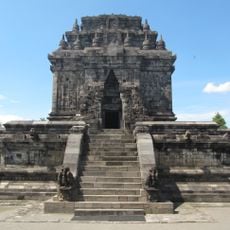
Karmawibhangga Museum, Archaeological museum in Borobudur complex, Indonesia
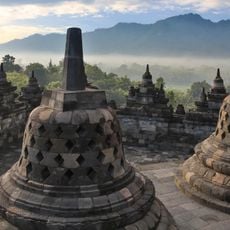
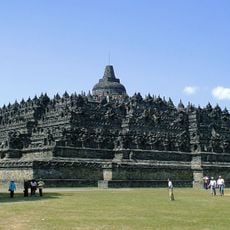
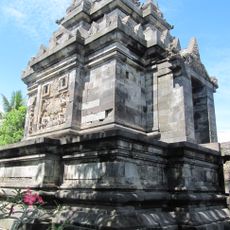
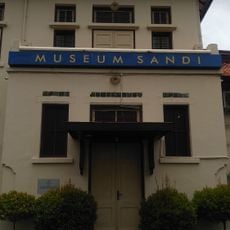
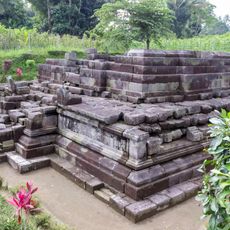
The Karmawibhangga Museum houses 4,000 original stones and carved pieces from Borobudur temple, including decorative panels and structural fragments uncovered during excavation work. These artifacts were discovered and preserved from the temple site over decades of archaeological investigation.
The museum was founded in 1983 to preserve discoveries made during the UNESCO-directed restoration of Borobudur temple between 1975 and 1982. This major restoration project uncovered and documented thousands of stone pieces that had been buried or displaced over centuries.
Stone reliefs in the collection show how people lived in ancient times, with scenes of religious practices, clothing, tools, and local plants and animals. Visitors can observe daily routines and beliefs through carvings that reveal much about the society that created them.
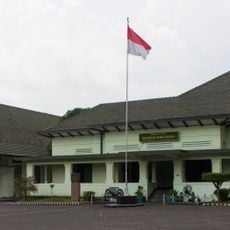
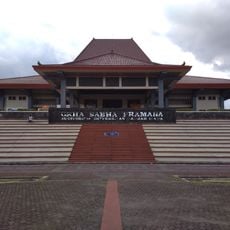
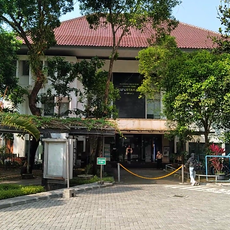
The museum stands within Borobudur Archaeological Park, a few hundred metres north of the temple, with Samudra Raksa Museum and its Borobudur Ship on its west side. Entry to both museums is covered by the Borobudur park ticket, so no separate admission is charged. The roughly 4,000 loose stones and the chattra are kept in the open-air yard of the compound.
The hidden foot's 160 panels were photographed by Kassian Cephas in 1890, after the encasing base was dismantled; those photographs, not the reliefs themselves, are what hang in the museum. Some panels carry inscriptions thought to be instructions to the carvers, and several were left unfinished.
The community of curious travelers
AroundUs brings together thousands of curated places, local tips, and hidden gems, enriched daily by 94,287 contributors worldwide.