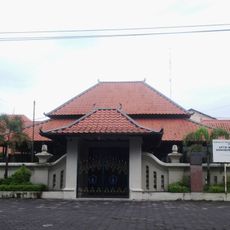
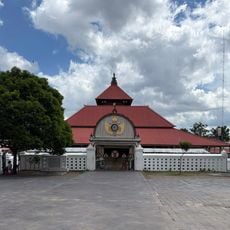
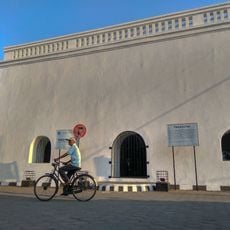
Gedung Agung, Presidential palace in Yogyakarta, Indonesia.
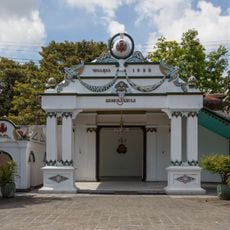
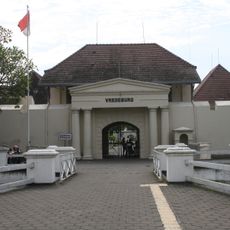
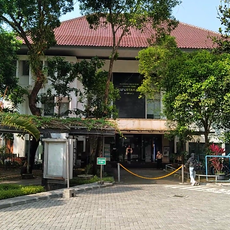
Gedung Agung is one of Indonesia's seven presidential palaces, a 4.4-hectare complex in Yogyakarta facing Fort Vredeburg. Its main building, completed in 1869, has kept its form and houses the Garuda Room for receiving state guests. The complex counts 26 buildings, including Wisma Negara and Wisma Indraphrasta.
Gedung Agung began in May 1824 as a residence for the 18th Dutch resident of Yogyakarta, Anthonie Hendriks Smissaert, designed by architect A. Payen. Construction stalled during the Java War led by Prince Diponegoro and was completed only in 1832. An earthquake toppled the building on 10 June 1867, and its replacement was finished in 1869. In 1946 it became the presidential palace of the young republic.
The building displays a mix of Javanese and Dutch colonial architectural styles that remain visible throughout. The design reflects a moment when European and local traditions came together.
Gedung Agung is a working presidential palace, not a tourist site, so visits are not open to the public. The complex faces Fort Vredeburg, and the 3.5-metre Dagoba monument and two 2-metre Dwarapala statues stand in the front yard, visible from outside the grounds.
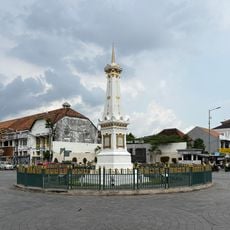
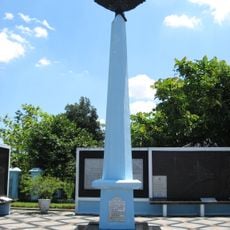
In the palace courtyard stand two 2-metre Dwarapala guardian statues and a 3.5-metre andesite obelisk called Tugu Dagoba, known locally as Tugu Lilin (Candle Monument). The stone for the obelisk came from Cupuwatu village near Prambanan.
The community of curious travelers
AroundUs brings together thousands of curated places, local tips, and hidden gems, enriched daily by 93,240 contributors worldwide.