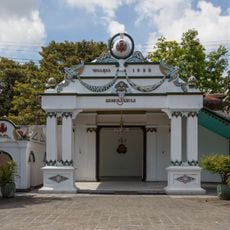
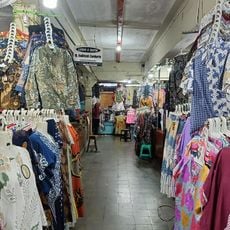
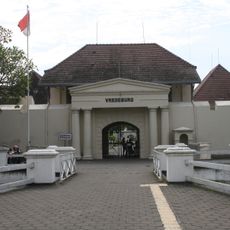
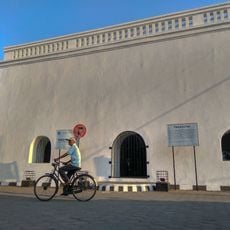
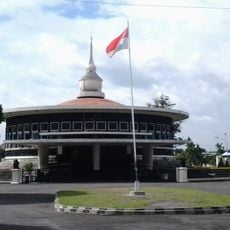
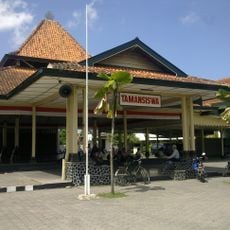
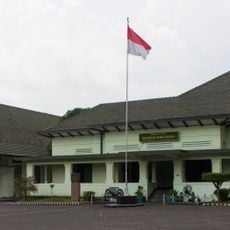
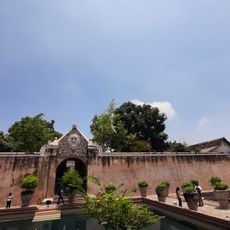
Malioboro Street, Central shopping street in Yogyakarta, Indonesia.
Malioboro is a shopping street in Yogyakarta that runs about 740 metres, from the railway line in front of Grand Hotel De Djokja south to Beringharjo Market. It is one-way southbound, with sidewalks on both sides lined with small stalls. The street forms the boundary between Gedongtengen on the west and Danurejan on the east.
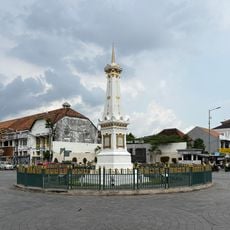
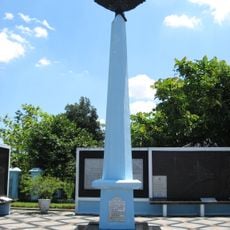
The route was established in the 18th century under Sultan Hamengkubuwono I as an official connection between the royal palace and the Tugu monument to the north. The Dutch called it Boulevard de Keraton and used it as a main thoroughfare during the colonial period.
The name is linked by historian Peter Carey to the Sanskrit "malyabhara", meaning "adorned with garlands", fitting a court that also took "Ngayogyakarta" from Ayodhya. In the evening, open-air lesehan restaurants serve Jogja dishes such as gudeg along the street, and buskers, painters and pantomime artists perform for passers-by.
Most shops open in the morning and remain active until late evening, while street stalls often continue past midnight. You can walk the route or hire a becak (pedicab) or andong (horse-drawn carriage) for shorter distances.
The road forms a cosmological axis between Mount Merapi volcano to the north and the royal palace to the south, representing a spiritual connection between heaven, earth, and humanity in Javanese cosmology. This invisible line still plays a role in ceremonial processions and city festivals today.
The community of curious travelers
AroundUs brings together thousands of curated places, local tips, and hidden gems, enriched daily by 92,714 contributors worldwide.