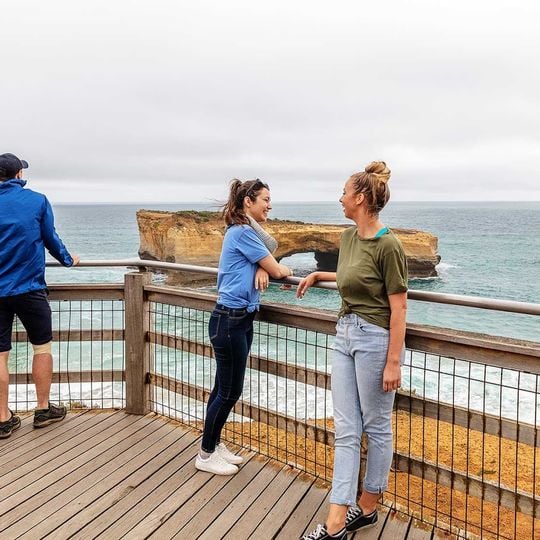
Port Campbell National Park, Nature reserve on Victoria coast, Australia
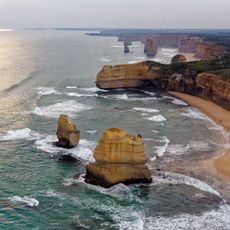
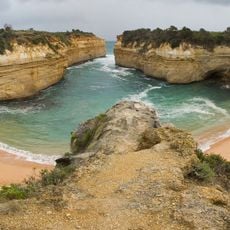
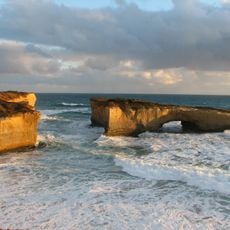
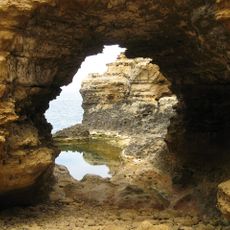
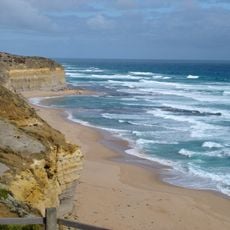
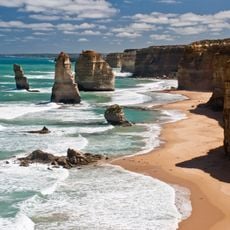
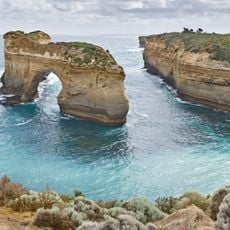
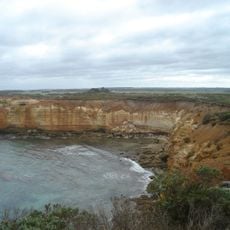
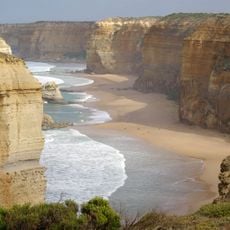
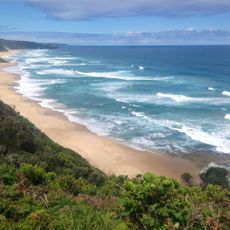
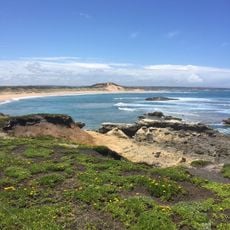
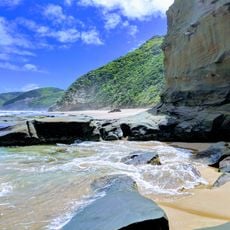
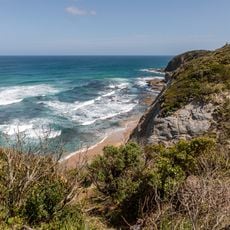
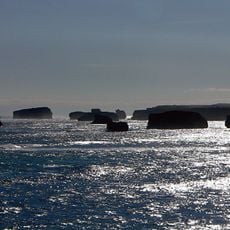
Port Campbell National Park stretches along the Great Ocean Road and features limestone cliffs, standing rock columns, and distinctive coastal formations within a protected reserve. The landscape includes well-known viewing areas such as the Twelve Apostles, London Bridge, and Loch Ard Gorge, each with its own geological character.
The park received protected status in December 1964 starting with 700 hectares to safeguard the limestone formations along the Great Ocean Road. Its area expanded over time as more coastal sections were added to strengthen conservation efforts.
Aboriginal peoples held deep ties to this coastal region through ceremonies and traditional fishing practices that shaped their connection to the land for thousands of years. These practices reflected their understanding of the sea and seasonal rhythms.
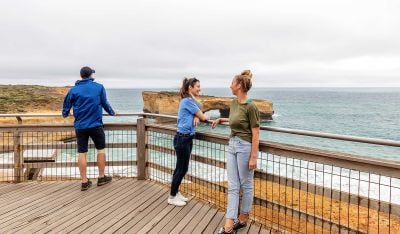
Multiple walking paths connect observation platforms overlooking the main rock formations, with designated parking areas at each site for visitor convenience. Most trails are short and straightforward, making the park accessible to visitors of varying fitness levels.
The limestone formations are constantly reshaped by natural erosion, with one of the original eight Apostles having collapsed from the ocean's force. This ongoing process demonstrates how active natural forces remain in shaping the landscape.
The community of curious travelers
AroundUs brings together thousands of curated places, local tips, and hidden gems, enriched daily by 91,815 contributors worldwide.