Church of St Saviour, Anglican church in Lyttelton, New Zealand
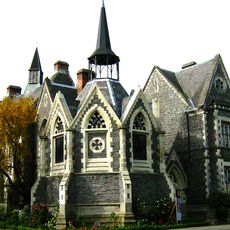
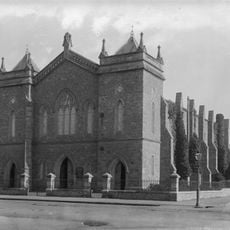
St Saviour's at Holy Trinity is an Anglican church built of timber in Early English Gothic Revival style, with a steeply pitched roof and narrow lancet windows. It was designed by Cyril Mountfort and consecrated in 1885. The building was turned around on its axis during its 2013 relocation, so the former sanctuary now forms the nave at the west end.
The church was established as a chapel for the early European settlement and is linked to Antarctic exploration expeditions of the early 1900s. It played a role in the preparations of historical expeditions that departed from this port.
The chapel is named for Christ the Saviour, reflecting its role serving West Lyttelton residents and visiting seafarers. Robert Falcon Scott and his crew worshipped here before the Discovery and Terra Nova expeditions. The William Butterfield-designed stained glass window from Holy Trinity now stands in the sanctuary, and the 1865 organ was refurbished by the South Island Organ Company.
St Saviour's stands on the Holy Trinity site at 17 Winchester Street, not on the waterfront; the harbour lies a short walk downhill. The building was cut into ten pieces and trucked back through Gebbies Pass in September 2013, with the foundation laid on 18 August 2013. The main structure was turned around on its axis, so the former sanctuary is now the nave at the west end.
The building was disassembled into ten separate pieces for transport from West Lyttelton to Cathedral Grammar School and later back to Lyttelton. This unusual dismantling and reassembly makes the church a noteworthy example of innovative restoration techniques.
The community of curious travelers
AroundUs brings together thousands of curated places, local tips, and hidden gems, enriched daily by 95,300 contributors worldwide.