Southeast Australia temperate savanna, Temperate savanna ecoregion in New South Wales and Victoria, Australia
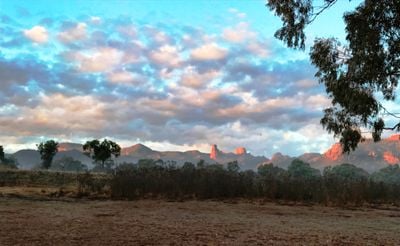
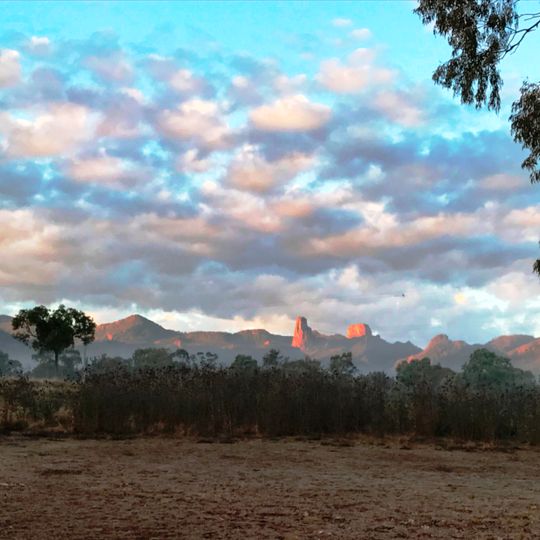
The Southeast Australia temperate savanna is a landscape of rolling hills and valleys dominated by eucalyptus forests and open grasslands. This ecoregion spreads across rolling topography with scattered woodlands of bimble box, grey box, and coolibah trees creating a mixed woodland-grassland environment.
European settlement in the 19th century dramatically reshaped the region as wheat farming replaced native grasslands with agricultural fields. The transformation was especially intense in the Riverina area, where farming landscapes now coexist with remaining natural vegetation.
The region maintains populations of native animals including the bridled nailtail wallaby, known locally as flash jack for its strong physical structure.
The region receives between 300 to 500 millimeters of rain annually, supporting hardy plant growth suited to dry conditions. Visitors should prepare for seasonal variations, as weather and vegetation conditions change considerably throughout the year.
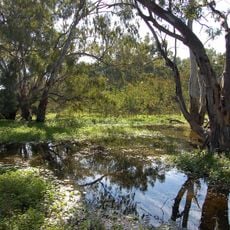
The Murrumbidgee and Darling Rivers create distinctive woodland communities along their courses with red river gums and black box eucalyptus. These riparian forests form important wildlife corridors that stand apart from the surrounding drier landscapes.
The community of curious travelers
AroundUs brings together thousands of curated places, local tips, and hidden gems, enriched daily by 91,442 contributors worldwide.