Great Escarpment, Australia, Natural escarpment in New South Wales, Australia
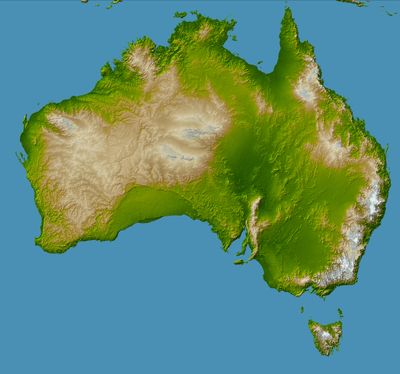
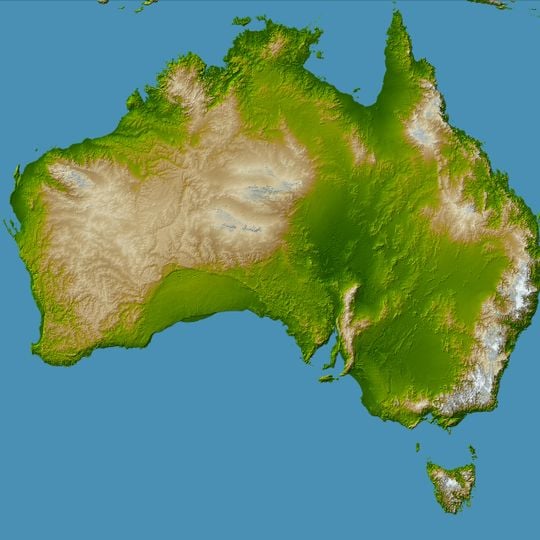
The Great Escarpment is a vast geological feature that runs about 3,600 kilometers down Australia's eastern coast, characterized by steep cliff faces. These high walls clearly separate the low coastal plains from the elevated plateau regions that stretch inland.
The escarpment formed about 80 million years ago, when rifting created a new continental margin and the Great Divide was uplifted tens to hundreds of kilometres inland. Erosion then cut the plain into a river pattern whose traces remain, basalt flows covered the land, and scarp retreat along those valleys produced the bluffs. In the New England region retreat advances roughly 2 kilometres per million years.
The escarpment is not a single heritage site but a 3,600 km landform crossing many Aboriginal nations' country. Its rivers and gorges, cut into the eastern plateau edge, follow old drainage lines whose traces predate the uplift. Travellers pass through many different traditional owner areas along its length, each with its own language and lore.
The escarpment lies 200 to 300 kilometres closer to the sea than the Great Dividing Range in places, so access points differ greatly along its 3,600-kilometre length. Narrow gorges carry rivers to the sea, and retreat along valleys in the New England region proceeds at about 2 kilometres per million years.
In the New England region, the escarpment retreats along river valleys at about 2 kilometres per million years. The rivers have also eroded the tableland between the Great Divide and the escarpment, leaving some parts of the plateau standing in isolation to the east.
The community of curious travelers
AroundUs brings together thousands of curated places, local tips, and hidden gems, enriched daily by 94,782 contributors worldwide.