High Flux Australian Reactor, australia's first nuclear reactor
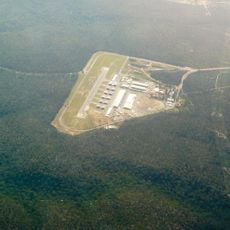
The High Flux Australian Reactor is a research facility in New South Wales with a distinctive structure: a round, white-painted steel building with thick concrete structures surrounding it for safety. The complex includes the reactor core surrounded by shielding and control systems, along with smaller structures for equipment and experimental work.
The facility was built in the late 1950s and began operation in 1958, marking Australia's entry into nuclear research. It was modeled on the British DIDO reactor and operated for nearly 50 years until shutdown in 2007, when the newer OPAL reactor started operating at the same Lucas Heights location.
The reactor is known as HIFAR, a name that quickly became synonymous with the site itself. Visitors notice today how the place serves as a quiet reminder of Australia's scientific past, with its infrastructure organized around safety and research work.
The site is located at Lucas Heights near Sydney and is part of a larger research complex with specialized laboratories and safety infrastructure. Visitors should expect extensive security measures, thick walls, and fencing, as the facility remains strictly controlled due to its nature.
The reactor produced sodium-24, a radioactive tracer that enabled breakthrough medical applications and helped doctors understand human physiology in new ways. This medical advancement made the facility a lesser-known key contributor to modern diagnostic medicine.
The community of curious travelers
AroundUs brings together thousands of curated places, local tips, and hidden gems, enriched daily by 91,395 contributors worldwide.