Kamay Botany Bay National Park, Nature reserve in Randwick City Council, Australia
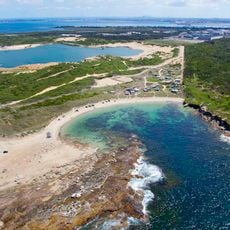
Kamay Botany Bay National Park is a nature reserve on the eastern shore of Botany Bay, south of Sydney. It is made up of two separate sections, both featuring sandstone cliffs, coastal scrubland, and open views across the water.
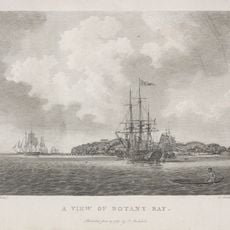
In 1770, Captain James Cook landed here and botanist Joseph Banks collected plant specimens from this shore, which led to the bay being named Botany Bay. That landing became the starting point of European settlement along the Australian east coast.
The southern headland at Kurnell was home to the Gweagal, the northernmost clan of Dharawal speakers, while the northern headland was likely occupied by Cadigal people of the Darug language group. The park's name was extended with "Kamay", the local word for the bay, in 2002. At Kurnell a bora ring used for ceremonies and an ochre pit near the oil refinery survive, and a marker tree with a ring-shaped hole in its trunk marks a women's camp.
The two sections of the park are not connected by foot, so a vehicle is helpful for visiting both in one trip. Each section has walking trails, picnic areas, and information points that are accessible without special equipment.
The name Kamay was added in 2002, from the local Aboriginal word for the bay. The park also holds the Tomb of Père Receveur, a French priest who died here in 1788 with the La Pérouse expedition, and the Macquarie Watchtower, a stone tower from the early 1800s.
The community of curious travelers
AroundUs brings together thousands of curated places, local tips, and hidden gems, enriched daily by 94,020 contributors worldwide.