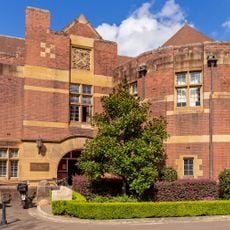
Bidura, Heritage site in Glebe, Australia
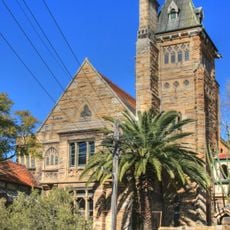
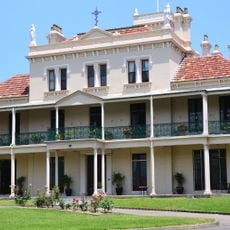
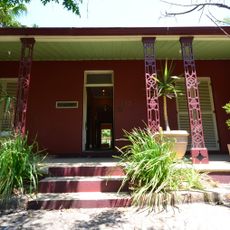
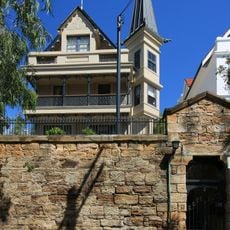
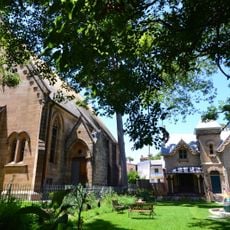
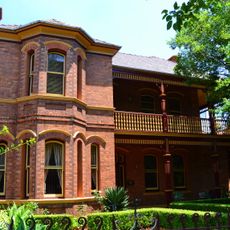
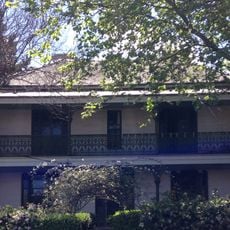
Bidura is a Victorian Italianate house in Glebe with rendered brick walls, double-hung timber windows, and a slate roof decorated with brackets. The layout includes a central entrance hall with marble flooring, multiple rooms with high ceilings, and a separate ballroom linked by a covered walkway.
Edmund Blacket bought the land in 1857 and built the two-storey house with a single-storey annex around 1860, selling it after his wife Sarah died in 1870. Robert Fitz Stubbs added the ballroom in the 1870s. The NSW Government bought the site in 1920 as a depot for state children, and Bidura closed as a residential facility in 1976/77 before being restored for office use.
Known first as the Depot for State Children, the site was also called Bidura Orphanage or Glebe Girls Home. Children were schooled on site, and the ballroom was later adapted for use as a school. Women's Liberationists protested here in the 1970s over the plight of female residents.
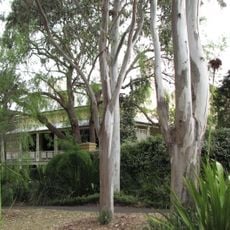
You can view the exterior and surrounding grounds to appreciate its Victorian architecture and landscape. Check ahead for information about interior access and current visiting conditions.
Bidura was the first stop for most children removed from their families in NSW: all wards of the state were processed there before referral elsewhere, and children awaiting trial at the Metropolitan Children's Court were housed on the same site. The 2004 Forgotten Australians report recognised the abuse former residents suffered there.
The community of curious travelers
AroundUs brings together thousands of curated places, local tips, and hidden gems, enriched daily by 94,505 contributors worldwide.