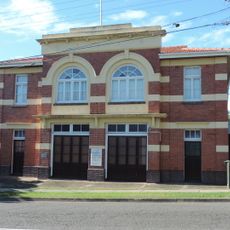
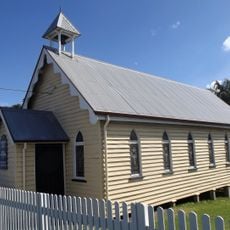
Lytton Quarantine Station, Historical quarantine complex in Brisbane, Australia.
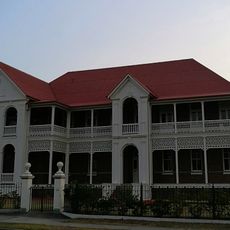
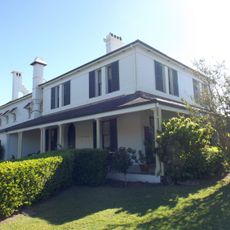
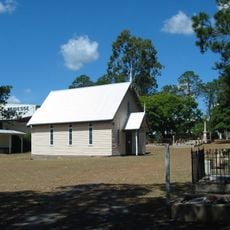
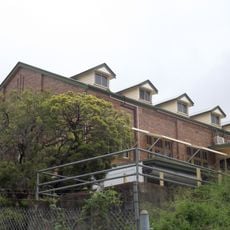
Lytton Quarantine Station is a complex of several buildings in Brisbane, including a reception house, bath house, disinfection block, and laundry rooms near the mouth of the Brisbane River. The site now contains structures that show how arrivals were processed and their belongings were treated.
The station was built between 1913 and 1914 to check ships arriving from overseas, especially during outbreaks of diseases like bubonic plague and influenza. It played an important role in controlling illnesses that could be brought into the region.
The preserved buildings show how people in the early 1900s managed health risks when ships arrived from overseas. You can see how these spaces were designed for cleaning and checking travelers.
The site is now part of Fort Lytton National Park and offers access to the buildings with explanatory signs describing historical practices. Visitors should expect to walk between different structures spread across the grounds.
The station stands on a site with earlier roles: a customs reserve from 1858–59, a township surveyed in 1859, and an animal quarantine reserve proclaimed in June 1889, where John Petrie & Son built a cottage, stables and forage room by May 1890. It forms part of Fort Lytton National Park and was added to the Queensland Heritage Register on 22 September 2000.
The community of curious travelers
AroundUs brings together thousands of curated places, local tips, and hidden gems, enriched daily by 93,819 contributors worldwide.