Mount Isa Mine Early Infrastructure, Mining heritage site in Mount Isa, Queensland, Australia
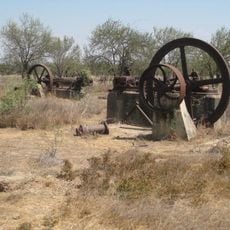
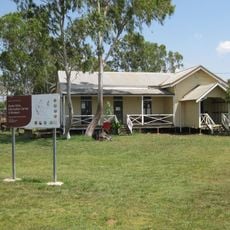
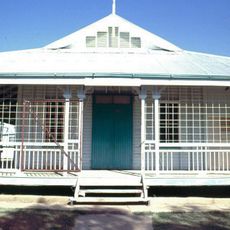
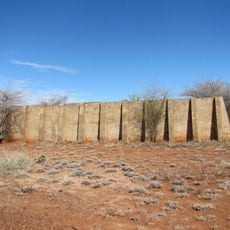
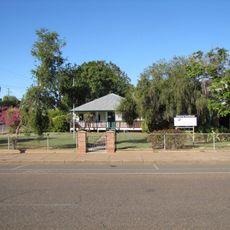
Mount Isa Mine Early Infrastructure is a heritage-listed group of four mining structures on the Mount Isa Mine Lease: the Lawlor Shaft and Winding Plant, the Urquhart Shaft and Headframe, the Mount Isa Mine Experimental Dam and the Mount Isa Mine Power Station. Built from 1924 to about 1963, they were added to the Queensland Heritage Register on 25 February 2005.
John Campbell Miles found lead outcrops at Mount Isa in early 1923, and by the end of that year 118 leases had been pegged. William Henry Corbould's Mount Isa Mining Company was registered in New South Wales in January 1924, and by December 1925 Mount Isa Mines had bought out the rival companies. In June 1927 the Russo-Asiatic Consolidated Company, chaired by Leslie Urquhart, took control of operations.
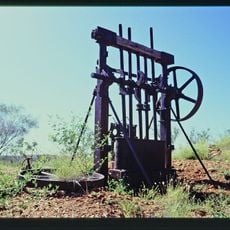
The shafts and headframes carry names from the field's early years: the Lawlor Shaft recalls Robert Lawlor, who held the 2.5-hectare Crystal Lease at Top Camp when government geologist EC Saint-Smith inspected the area in September 1923. The Urquhart Shaft is named for Leslie Urquhart, chair of Russo-Asiatic Consolidated, which took control of Mount Isa in June 1927.
The four elements sit on the Mount Isa Mine Lease: the Lawlor Shaft and Winding Plant at Top Camp, the Urquhart Shaft and Headframe on the town side of the ridge, plus the Experimental Dam and Power Station. They are dispersed industrial structures rather than a single visitor site, so check access before setting out.
Charles Mitke, an engineer from the United States, planned the Urquhart Shaft to hoist ore and pump water, while a separate Man and Supply shaft handled miners and materials. Sinking began in 1929, but the shaft struck an underground reservoir and was never carried to its planned depth.
The community of curious travelers
AroundUs brings together thousands of curated places, local tips, and hidden gems, enriched daily by 94,249 contributors worldwide.