Yungaba Migrant Hostel, Heritage-listed villa in The Range, Rockhampton, Australia
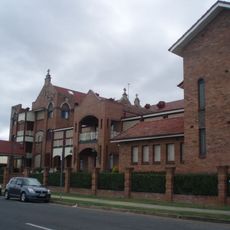
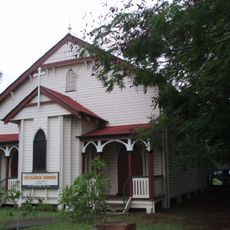
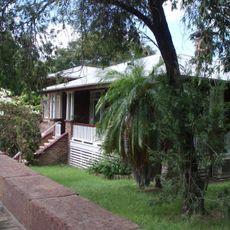
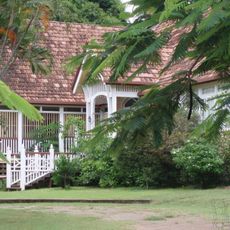
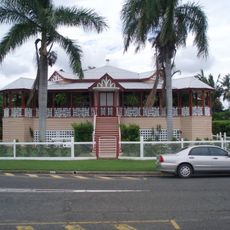
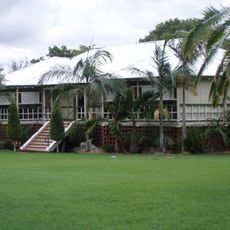
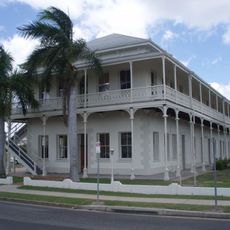
Yungaba is a heritage-listed villa at 74 Ward Street, The Range, Rockhampton, Queensland. Built in 1890 as a private residence and altered through the 1950s, it is a timber-and-iron house with verandahs, a clerestorey roof and a gabled entry, its design attributed to architect James Flint.
Yungaba was built in 1890 as a private residence for Catherine Jane Ferguson and her husband, solicitor Charles Sydney Jones, on land tied to her father John Ferguson, who grew wealthy from the Mount Morgan mine. Named Killin after Ferguson's Scottish parish, it was designed by architect James Flint, who opened his Rockhampton practice in 1887. The Queensland Government bought it in 1949 and adapted it as a migrant hostel, when it took the name Yungaba.
The name Yungaba was chosen in the 1950s at the request of Queensland Premier Ned Hanlon, who wanted an Aboriginal word meaning welcome or resting place for the Brisbane immigration depot. Experts found no such translation, so an alternative from a Maryborough dialect was picked, said to mean "land of the sun". The Ferguson house, formerly "Killin", took the same name.
Yungaba stands at 74 Ward Street in The Range, Rockhampton, not beside the Brisbane River. The former hostel is a heritage-listed private villa, so visitors should view it from the street rather than expect guided tours or open interiors. Its Ward Street frontage is the easiest place to see the 1890 house and later additions.
The name Yungaba was chosen in the 1950s at the request of Premier Ned Hanlon, who wanted an Aboriginal word meaning welcome or resting place for the Brisbane immigration depot. Experts found no such translation, so an alternative from a Maryborough dialect was picked, said to mean "land of the sun"; Killin was renamed to match.
The community of curious travelers
AroundUs brings together thousands of curated places, local tips, and hidden gems, enriched daily by 94,020 contributors worldwide.