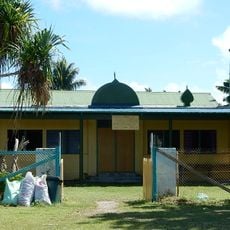
Banaba Island, Pacific island in Gilbert Islands, Kiribati
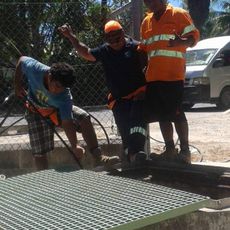
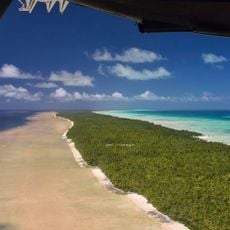
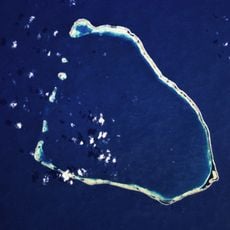
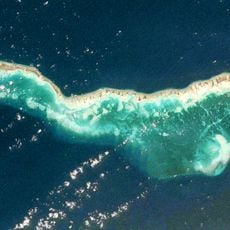
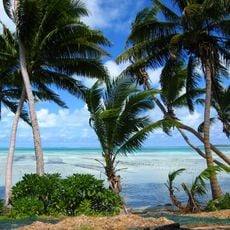
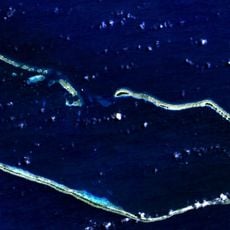
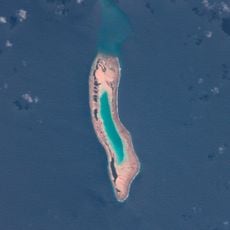
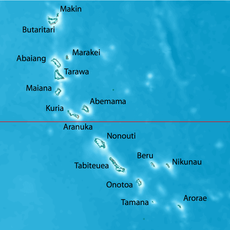
Banaba is a coral island in the Gilbert Islands spanning about 6 square kilometers with cliffs rising approximately 81 meters above sea level. Located in the central Pacific, it now relies entirely on desalination plants for freshwater since natural water sources have ceased to function.
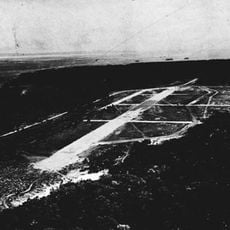
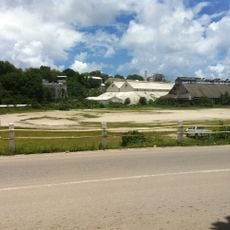
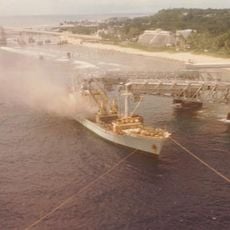
Australian prospector Albert Ellis initiated phosphate mining in 1900, which continued for over 80 years and extracted roughly 22 million tonnes of phosphate. This mining removed about 90 percent of the island's original soil layer, fundamentally reshaping its landscape.
The island's people traditionally gathered in underground caves called te bangabanga to collect and store rainwater, a practice tied to their relationship with the land. Visitors can still explore these sacred spaces and see how communities adapted to living on a small coral island.
Visitors should know that freshwater is not naturally available on the island and must rely on desalination facilities for drinking water. Planning a visit during drier months helps with easier access and more comfortable conditions overall.
Mining transformed the surface into a striking network of limestone pinnacles, creating a landscape that looks almost otherworldly and alien. This unusual terrain serves as a powerful visual reminder of how intensive resource extraction reshaped the island's natural form.
The community of curious travelers
AroundUs brings together thousands of curated places, local tips, and hidden gems, enriched daily by 60,000 contributors worldwide.