Maui Nui, prehistoric Hawaiian island
Maui Nui was a large landmass that existed millions of years ago in what is now Maui County, made up of four main islands - Maui, Molokaʻi, Lānaʻi, and Kahoʻolawe - that were once connected as a single piece of land. This ancient formation was built by seven major volcanoes and covered an area significantly larger than today's Big Island of Hawaii before being broken apart by rising ocean levels.
Maui Nui was a connected landmass around a million years ago, built from seven volcanoes and covering an area more than twice the size of today's Big Island of Hawaii. Over millions of years, changing sea levels combined with volcanic subsidence gradually split the landmass into four separate islands, with the final connections between some islands disappearing as recently as 700,000 years ago.
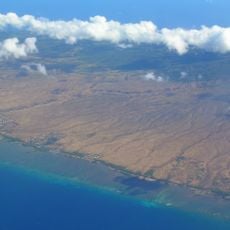
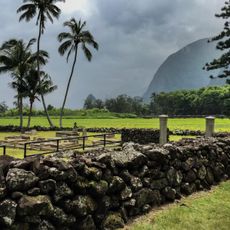
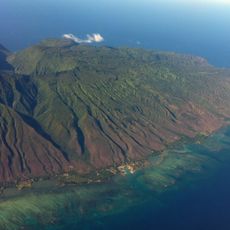
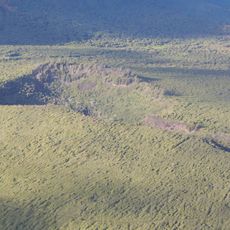
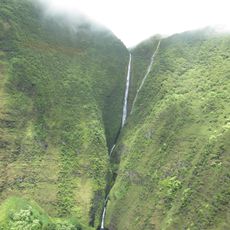
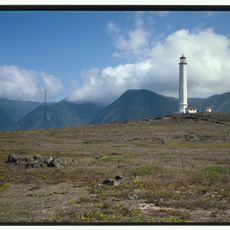
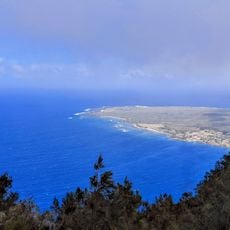
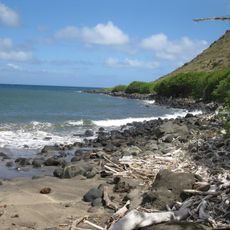
This location is not directly visitable as a single site since it exists as four separate islands and submerged land beneath shallow channels. You can explore the geological history by visiting Maui, Molokaʻi, Lānaʻi, and Kahoʻolawe individually, where volcanic features and landscape patterns reveal how they were once connected.
Penguin Bank was once a major volcano that formed about 2.2 million years ago as part of this ancient landmass. Today it lies submerged as a shallow coral-covered area, but it clearly shows how much larger the original landform once stretched beneath the ocean.
The community of curious travelers
AroundUs brings together thousands of curated places, local tips, and hidden gems, enriched daily by 92,525 contributors worldwide.