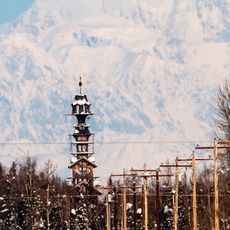
Hatcher Pass, Mountain pass in Talkeetna Mountains, Alaska, US
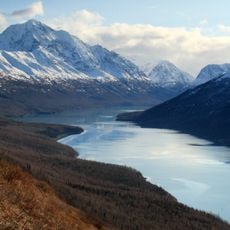
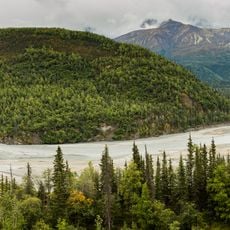
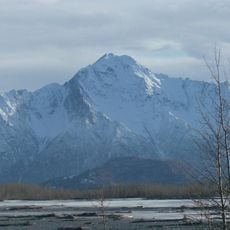
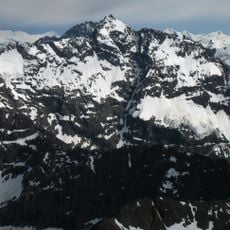
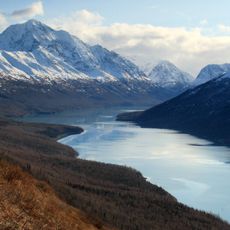
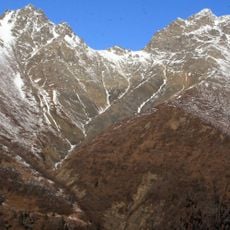
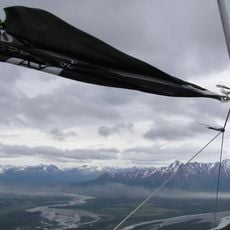
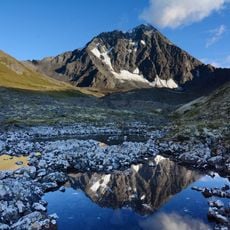
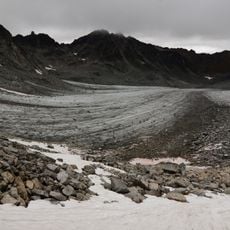
Hatcher Pass is a mountain pass connecting Palmer and Willow that climbs to 3,886 feet (1,184 m) through the southwest section of the Talkeetna Mountains. The route passes through steep glacial valleys and cirques carved by ancient ice.
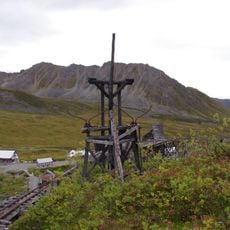
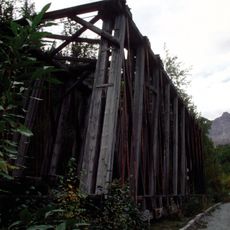
Robert Lee Hatcher staked the first claim in the Willow Creek valley in September 1906, starting the district's gold rush. Placer mining began that year, and hardrock lode mining followed from high-grade quartz veins. Underground operations continued at various sites until 1951, and one mine briefly reopened in the 1980s.
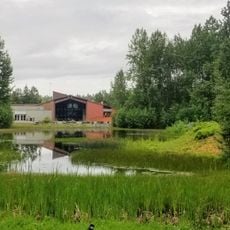
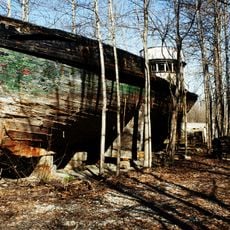
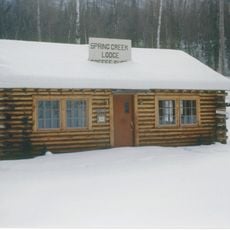
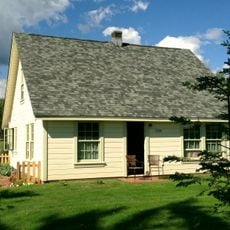
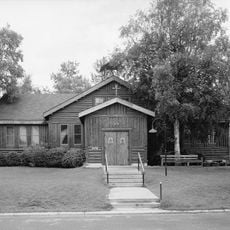
The pass is named after Robert Lee Hatcher, a prospector who staked the first claim in the Willow Creek valley in September 1906. Dena'ina Athabaskans hunted caribou, sheep and moose in the western Talkeetna Mountains until the 1930s. Today Independence Mine State Historic Park, 271 acres a few miles east of the pass, keeps the mine buildings and a museum offering underground tours.
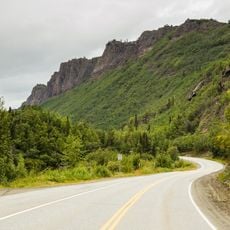
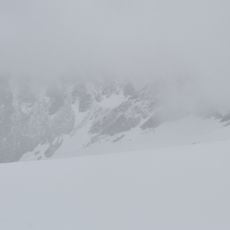
The road to the pass remains unpaved for 20 miles and typically closes from September through July due to heavy snow, making summer visits the practical choice. Plan your visit during the warmer months when conditions permit easier access.
Most of the gold at Hatcher Pass lies in a 74-million-year-old quartz diorite to tonalite pluton beneath the headwaters of Willow and Fishhook Creeks. A high-angle east-west fault cuts through the pass, separating these plutonic rocks from the Hatcher Pass schist to the south.
The community of curious travelers
AroundUs brings together thousands of curated places, local tips, and hidden gems, enriched daily by 92,638 contributors worldwide.