Chisana, human settlement in Valdez–Cordova Census Area, Alaska, United States of America
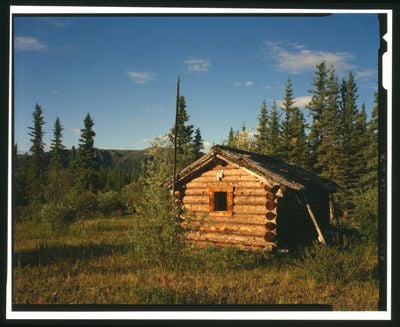
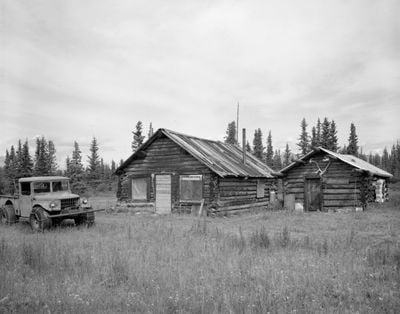
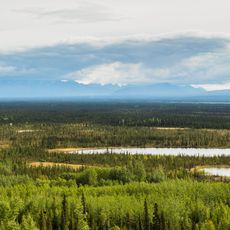
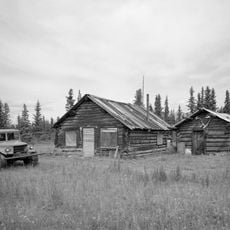
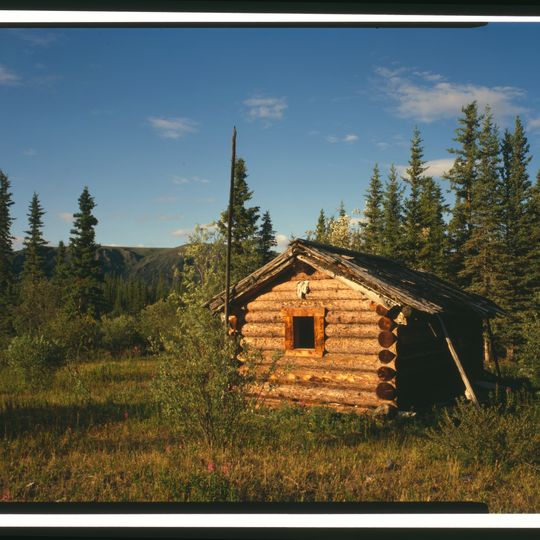
Chisana is a former mining settlement in the Wrangell Mountains in Alaska that now has about twenty buildings and is only reachable by small aircraft or packhorse. The structures consist of round logs with notched corners, sod roofs, and canvas-covered walls, built using mostly local materials brought by hand from a distance.
Chisana was founded in 1913 when Billy James, his wife Matilda, and Nels Nelson found gold on Bonanza Creek and about five thousand prospectors flocked there. The population declined after the gold rush peaked, the post office closed in 1939, and the town gradually became a ghost town with only remnants of its past.
The name Chisana comes from indigenous language and refers to the location in this valley. The remaining buildings show how prospectors lived there: simple log cabins with canvas-covered walls inside, built to last through harsh wilderness conditions without modern conveniences.
The place is only reachable by small aircraft or on foot with packhorse, with no electricity, phone service, sewage, or running water available. Visitors should bring supplies and plan carefully since the nearest services are in distant towns like McCarthy or Nabesna.
The settlement was once known as the world's largest log cabin town and had about four hundred buildings at its peak from 1913 to 1915. Today visitors can use the restored Too Much Johnson Cabin on a first-come, first-served basis to experience what life was like during the height of the gold rush.
The community of curious travelers
AroundUs brings together thousands of curated places, local tips, and hidden gems, enriched daily by 91,386 contributors worldwide.