52nd Place Historic District, Historic district in South Los Angeles, United States
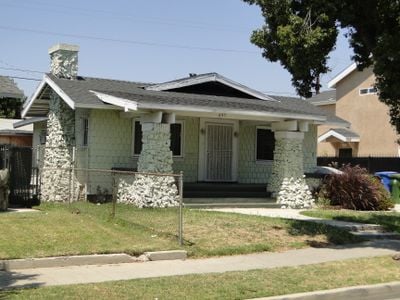
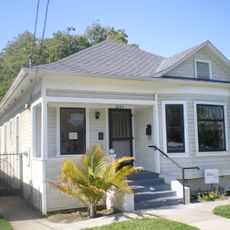
The 52nd Place Historic District is a residential area in South Los Angeles containing 37 one-story Craftsman houses built between 1911 and 1914. Each building features signature elements such as gabled roofs, overhanging eaves, and brick chimneys that define the neighborhood's character.
The district was established in the early 1910s as an affluent white neighborhood with newly built single-family homes. During the Great Migration in the 1930s, African Americans moved into the area in increasing numbers, fundamentally shifting the neighborhood's demographic and social composition.
The name 52nd Place comes from the street itself, which runs between McKinley Avenue and Avalon Boulevard. The district's period of significance, 1930 to 1958, marks the years when African-American residents established neighborhood institutions here. Singer Ivie Anderson, who lived at 724 E. 52nd Place from 1930 to 1945, recorded vocals with Duke Ellington's band on hits such as "It Don't Mean a Thing (If It Ain't Got That Swing)" in 1932.
The district occupies 52nd Place between McKinley Avenue on the east and Avalon Boulevard on the west, just east of South Park. The 37 contributing houses are private homes on a single street, so visitors view the facades from the public sidewalk. Walking the block from McKinley west to Avalon covers the whole district.
The district was home to prominent figures in the African American community, including jazz singer Ivie Anderson and media entrepreneur and activist Joseph Bass. These residents contributed to the cultural and political movements of their era through their work and commitment.
The community of curious travelers
AroundUs brings together thousands of curated places, local tips, and hidden gems, enriched daily by 92,669 contributors worldwide.