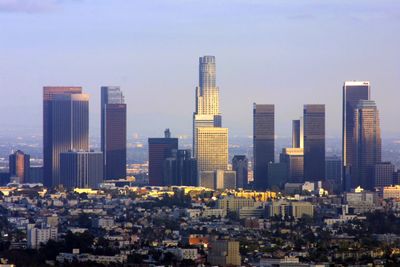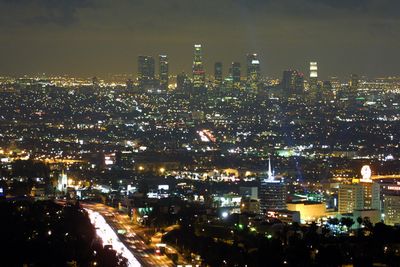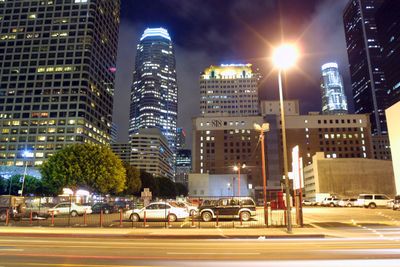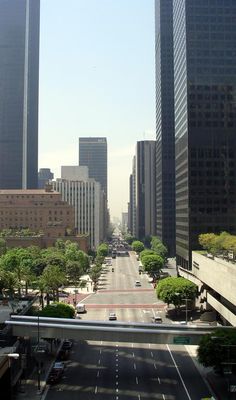
Los Angeles, Global metropolis in Southern California, United States.
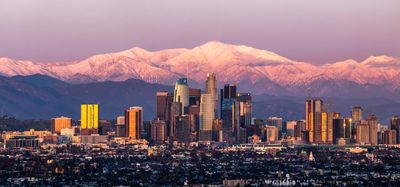
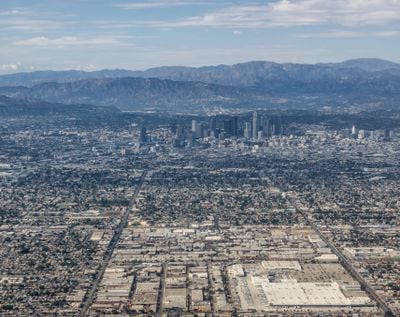
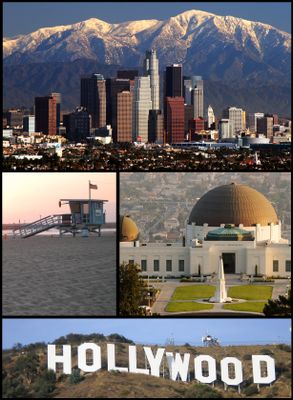
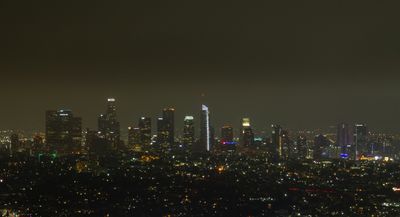
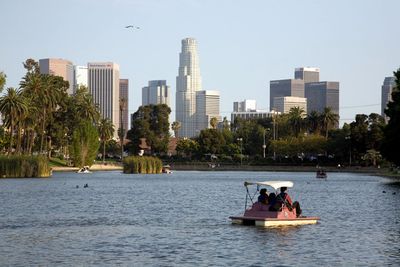
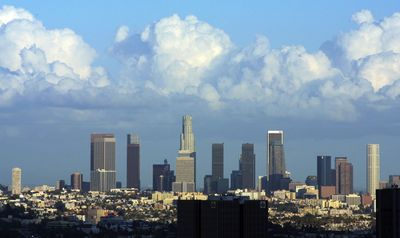
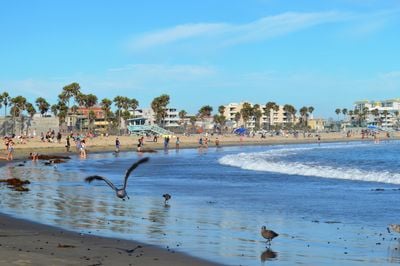
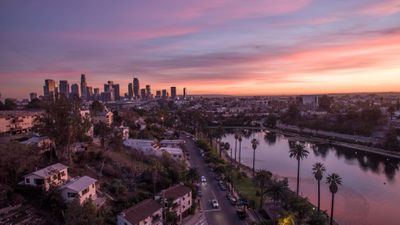
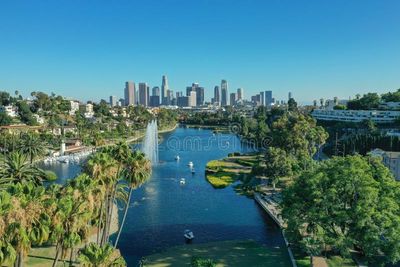
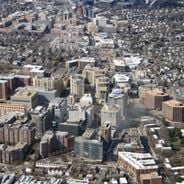
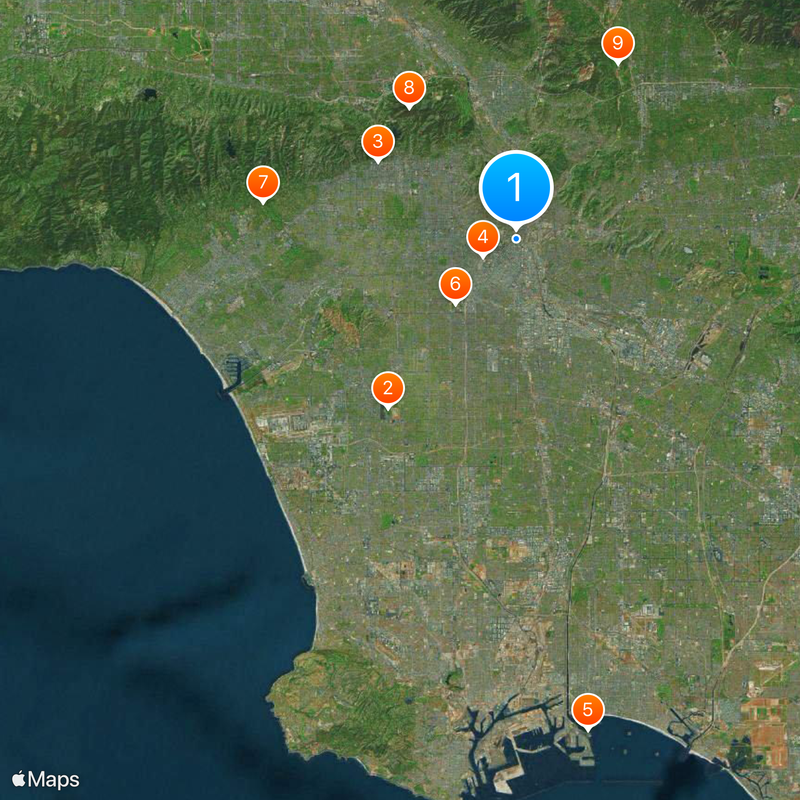
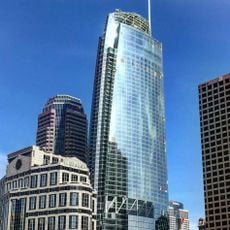
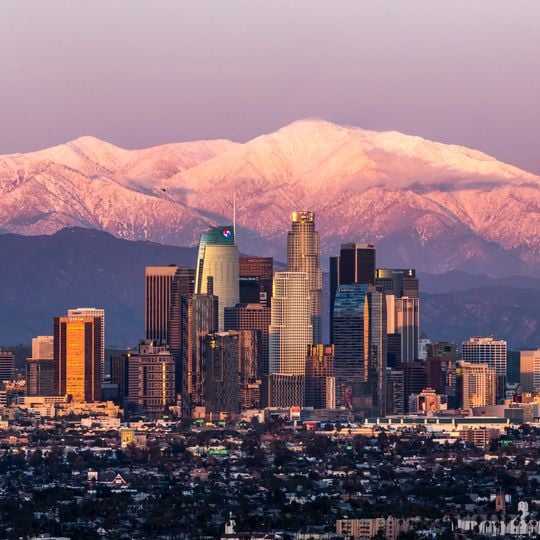
The second largest city in the United States spreads across an expansive coastal plain between the Santa Monica Mountains, San Gabriel Mountains and the Pacific Ocean. The urban area covers more than 500 square miles (1,300 square kilometers) and encompasses diverse geographic zones from beaches to hillside terrain. Ninety incorporated cities lie within Los Angeles County boundaries, which stretch from the ocean to the Mojave Desert.
Spanish colonists founded El Pueblo de Nuestra Señora la Reina de los Ángeles on September 4, 1781, along the banks of the Los Angeles River. Mexico assumed control after independence in 1821 before the territory passed to the United States in 1848 following the Mexican-American War. Connection to the transcontinental railroad in the 1870s triggered rapid growth, while oil discoveries in the early 20th century accelerated economic expansion.
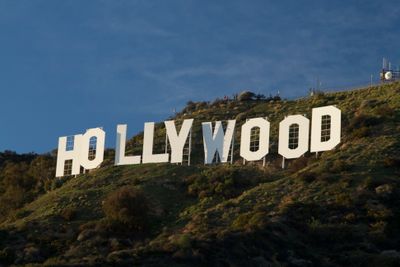
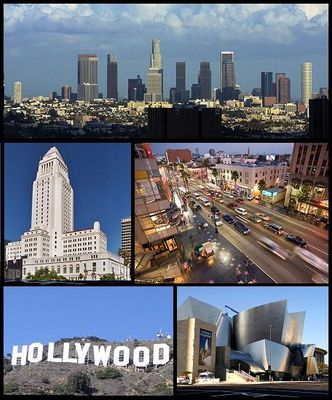
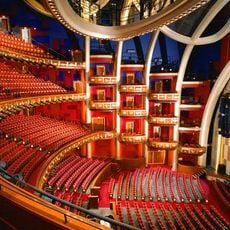
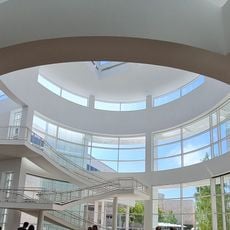
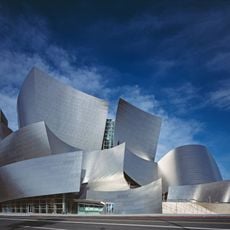
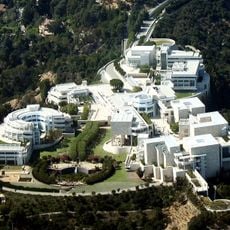
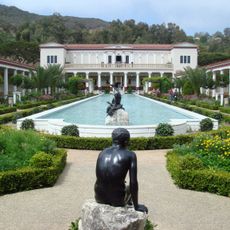
This global media center houses major art museums such as the Los Angeles County Museum of Art, the Getty Center and the Natural History Museum, along with performance venues like Walt Disney Concert Hall. The entertainment industry employs hundreds of thousands across film, television, music and digital media. Over one hundred languages are spoken throughout residential neighborhoods across the metropolitan area.
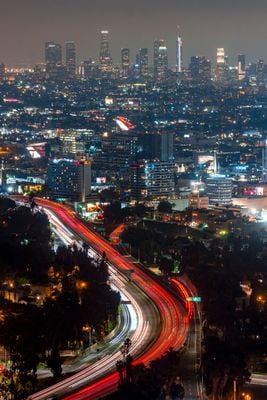
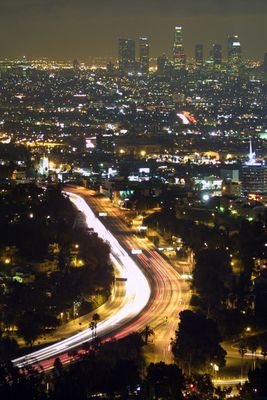
The extensive freeway system connects residential areas with business districts, with Interstate 5, Interstate 10 and Interstate 405 serving as primary traffic corridors. Public transit includes six metro rail lines and numerous bus routes operated by Los Angeles County Metropolitan Transportation Authority. Los Angeles International Airport sits 18 miles (29 kilometers) southwest of downtown and serves more than 80 million passengers annually.
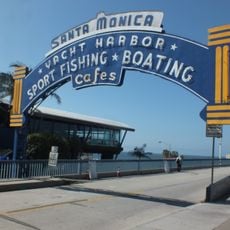
The county encompasses two Channel Islands (Santa Catalina Island and San Clemente Island), 900 square miles (2,300 square kilometers) of desert terrain in the Antelope Valley, and 75 miles (120 kilometers) of Pacific coastline. The highest elevation reaches 10,064 feet (3,068 meters) at Mount San Antonio, while the lowest point sits below sea level at Wilmington Oil Field. The region contains more than 50 distinct geological fault lines.
The community of curious travelers
AroundUs brings together thousands of curated places, local tips, and hidden gems, enriched daily by 90,826 contributors worldwide.