La Brea Tar Pits, Paleontological site in Los Angeles, United States.
La Brea Tar Pits is a paleontological site in Los Angeles where natural asphalt seeps through cracks in the ground and forms dark, sticky pools. These pools have trapped and preserved bones and fossils from the Ice Age over thousands of years, which are now excavated in remarkably good condition.
The Chumash and Tongva used the tar to seal redwood plank boats, and the Portolá expedition made the first written record in 1769, when Juan Crespí described the seeps as "Los Volcanes de Brea". In 1826 Harrison Rogers noted settlers pitched their roofs with the asphalt. Union Oil geologist W. W. Orcutt recognized the fossil bones in 1901, and excavations began in 1913.
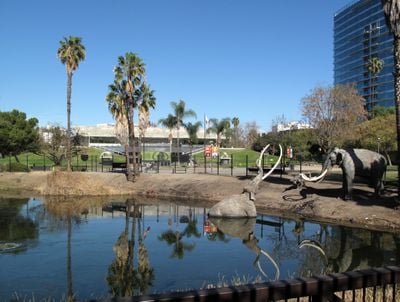
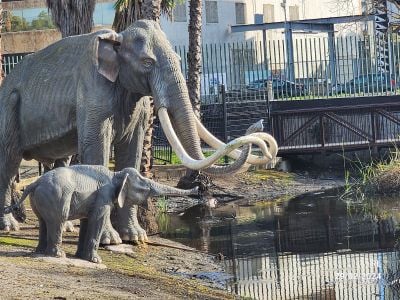
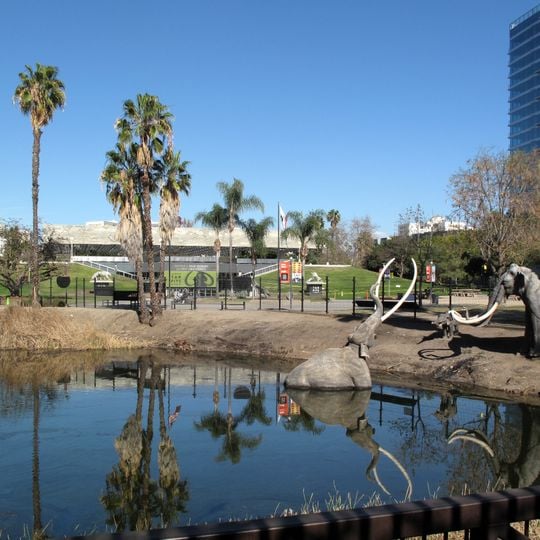
School groups from across California come regularly to watch active excavations and learn about animals that once roamed this area. Families walk around the dark pools on weekends and pose for photos with life-size mammoth sculptures set up near the edge.
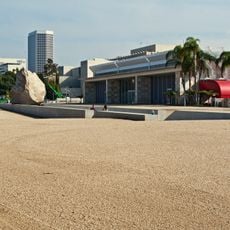
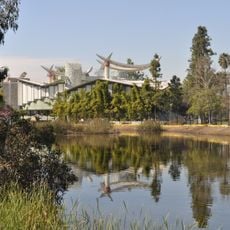
The George C. Page Museum closed on July 7, 2026 for a two-year renovation, so check before planning a museum visit. The grounds of Hancock Park stay open: paths lead past the visible asphalt pools and the life-size proboscidean sculptures at the water's edge. About a dozen pits remain accessible at ground level; most of the original hundred-plus were filled in after settlement.
Methane gas bubbles rise through the tar pits, caused by bacteria that consume petroleum and release gas as a byproduct. This bubbling can sometimes be heard and seen, giving the surface an almost living appearance.
The community of curious travelers
AroundUs brings together thousands of curated places, local tips, and hidden gems, enriched daily by 92,189 contributors worldwide.