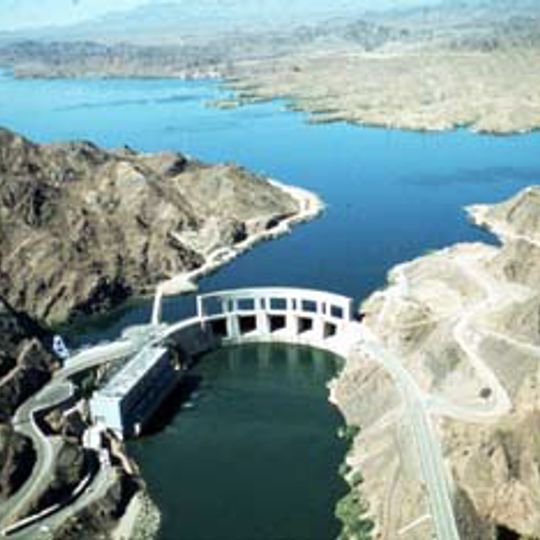
Parker Dam, Concrete arch-gravity dam on the Colorado River between California and Arizona, United States
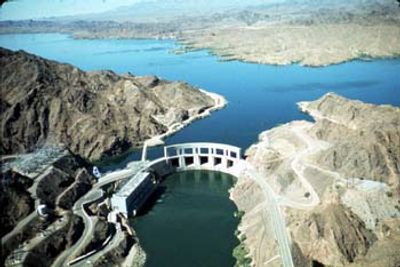
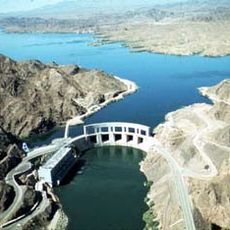
Parker Dam is a concrete arch-gravity dam across the Colorado River between the Whipple Mountains of California and the Buckskin Mountains of Arizona, 155 miles downstream of Hoover Dam. Its crest carries a roadway between piers that support an upper deck, and a lower building with a dark roof stands against the rock on the left bank. The dam is 320 feet high, 235 feet of it below the riverbed, and its four Francis turbines have a combined capacity of 120 MW.
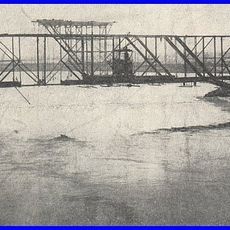
Parker Dam was built by the Bureau of Reclamation between 1934 and 1938 as part of the Colorado River Compact of 1922. In 1935 Arizona governor Benjamin Baker Moeur sent National Guard troops to halt construction on the Arizona bank; the Interior Department sued, and the Supreme Court sided with Arizona. Arizona consented in exchange for federal approval of the Gila River irrigation project, and it disputed its water allotment until a 1963 Supreme Court decision.
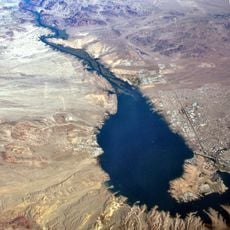
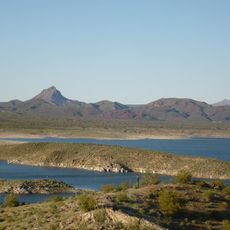
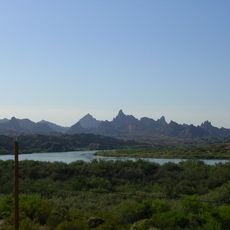
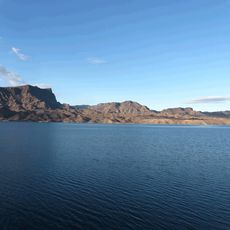
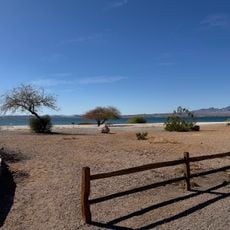
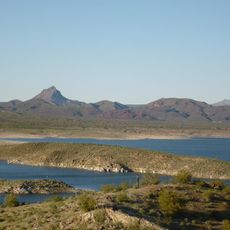
Lake Havasu, created by the dam, became a recreation hub where people enjoy boating, fishing, and swimming. The lake transformed an isolated desert area into a place where communities gather for water activities.
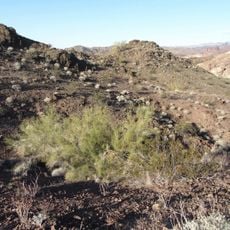
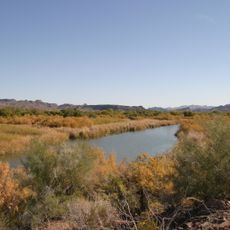
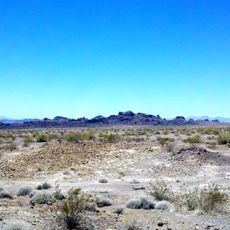
The dam is easily accessible by road in western Arizona, with viewpoints offering clear views of the reservoir and structure. Plan for hot, dry conditions and bring plenty of water when exploring the area.
Parker Dam's crest roadway doubles as the Arizona–California state line, since the structure straddles the river between the Whipple Mountains of California and the Buckskin Mountains of Arizona. In 1935 Arizona sent National Guard troops to halt construction on its bank; they withdrew only when Secretary of the Interior Harold L. Ickes ordered work stopped until the dispute was settled.
The community of curious travelers
AroundUs brings together thousands of curated places, local tips, and hidden gems, enriched daily by 92,651 contributors worldwide.