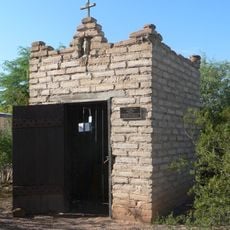
Traditional Arizona, Cultural heritage region in Southern Arizona, United States
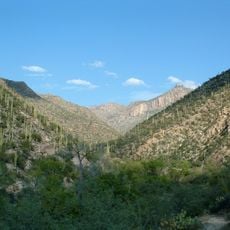
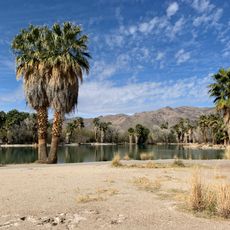
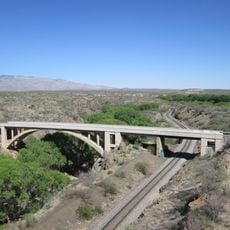
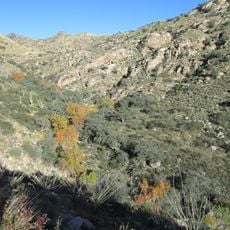
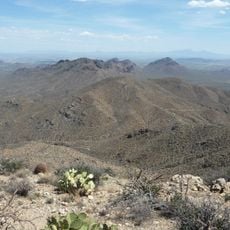
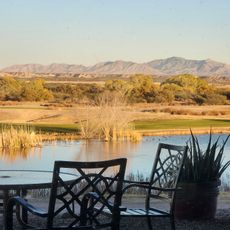
This region extends from the Colorado River to the Rio Grande, covering present-day Southern Arizona and parts of Southwestern New Mexico. The landscape consists of desert terrain, plateaus, and river valleys that have served as a vital crossroads between different populations for centuries.
The territory passed to the United States from Mexico through the Gadsden Purchase of 1853, establishing new borders and forms of governance. During the Civil War, the region briefly formed a Confederate territorial entity.
The region developed around mining, ranching, and citrus farming, activities that shaped how settlers and Native American communities organized their daily lives. These economic traditions remain visible today in the landscape and the character of local towns.
Plan to visit with awareness of desert conditions and bring ample water and supplies for travel through the region. Key sites and historical locations are accessible by road, though journeys involve varying elevations and climates.
The Butterfield Overland Mail route crossed through this region and served as one of the most important supply lines for frontier settlements before the Civil War. This connection enabled the movement of goods, news, and travelers between distant communities.
The community of curious travelers
AroundUs brings together thousands of curated places, local tips, and hidden gems, enriched daily by 91,036 contributors worldwide.