Casa Malpaís, Archaeological site in Springerville, Arizona, United States.
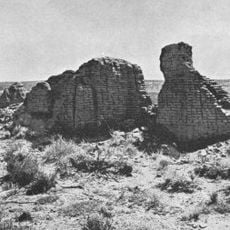
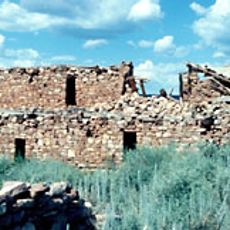
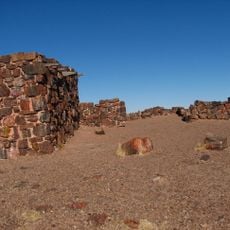
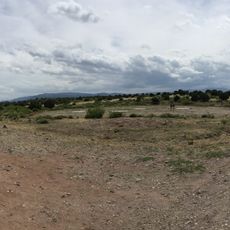
Casa Malpaís contains remnants of a Mogollon pueblo with approximately 50 to 60 rooms built directly on volcanic lava flows between 1240 and 1350 AD.
The site was first documented by Frank Hamilton Cushing in 1883 and later designated as a National Historic Landmark in 1964 for its archaeological significance.
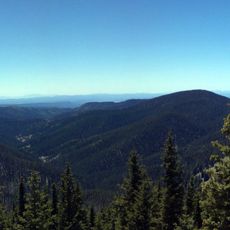
The name Casa Malpaís is Spanish for "House of the Badlands", given by Basque settlers because the surface was mostly volcanic rock. Hopi and Zuni peoples still consider the site a sacred ancestral place. Outside the circular enclosure, a Bear Claw petroglyph fits into a shaft of light at vernal equinox sunset; both Hopi and Zuni have bear clans or societies who may have created it.
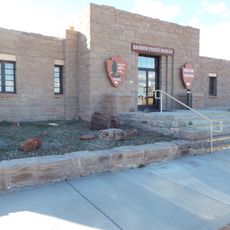
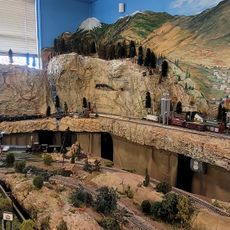
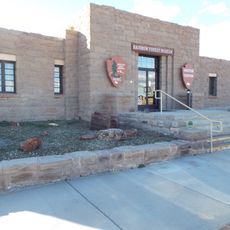
Guided tours of the ruins start at the Casa Malpais Visitor Center and Museum at 318 E. Main Street in Springerville; the museum, run by the city, also displays artifacts excavated at the site. The pueblo sits at about 7,000 feet on terraces below basalt cliffs, reached by a steep basalt staircase set into a crevice, so allow time and wear sturdy shoes.
The circular solar calendar, about 26 meters across, has five gates; one faces true north, and at the summer solstice sunset a rectangular shaft of light enters through the southwest gate. Just outside it, a Bear Claw petroglyph fits into a shaft of light at vernal equinox sunset.
The community of curious travelers
AroundUs brings together thousands of curated places, local tips, and hidden gems, enriched daily by 92,641 contributors worldwide.