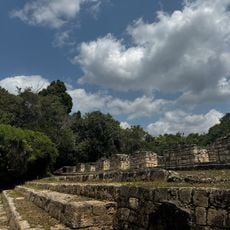
Chamá, Maya archaeological site in San Pedro Carchá, Guatemala.
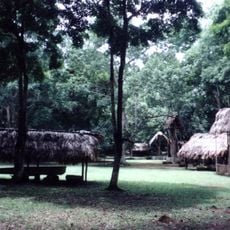
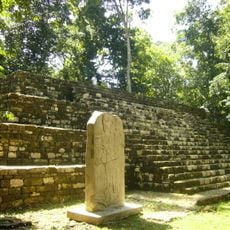
Chamá is a Maya archaeological site located in the Chixoy River valley, featuring stone structures typical of ancient Maya settlements. The location contains multiple areas of ruins that reveal how communities organized their spaces and buildings centuries ago.
This site developed during the Maya classical period and became known through excavations led by Robert J. Burkitt in the early 1900s. Those investigations conducted by the University of Pennsylvania helped establish what we know about the settlement today.
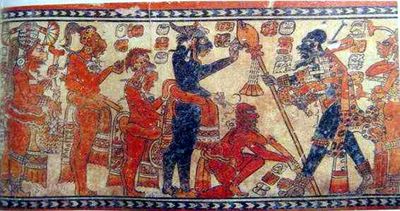
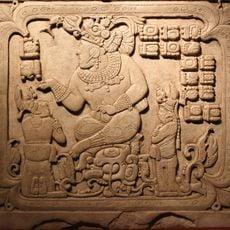
The ceramics from this site show animals with human features and mythological scenes painted on yellow-orange clay. These distinctive vessels tell us how the people here saw their world and what mattered to them artistically.
This site lies about 50 kilometers northwest of San Pedro Carchá and requires advance planning for transportation and guided visits. Organizing your trip beforehand and hiring local guides will help you understand the ruins and navigate the terrain.
The pottery here developed distinctive black-and-white chevron patterns and bright colors during the 8th century that set it apart from other Maya regions. This distinctive style shows how craftspeople here created something entirely their own rather than copying neighboring traditions.
The community of curious travelers
AroundUs brings together thousands of curated places, local tips, and hidden gems, enriched daily by 91,837 contributors worldwide.