Chinkultic, Archaeological site in La Trinitaria, Mexico
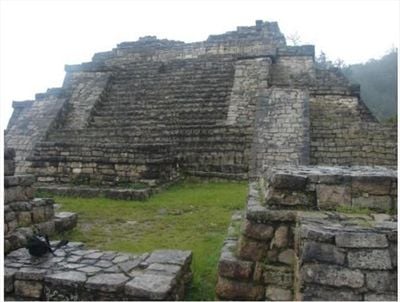
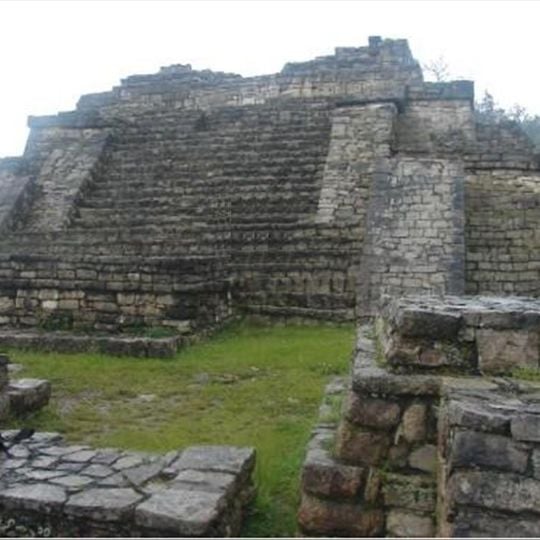
Chinkultic is an archaeological site in La Trinitaria featuring more than 200 structures distributed across a large area of hilly terrain. The buildings are integrated into natural slopes using retaining walls and stepped terraces at different elevations to adapt to the uneven landscape.
Chinkultic was first occupied between 50 BC and AD 350, as stelae fragments in the Izapa style show. Most of the city was built in the Late Classic (AD 600-900), and occupation lasted into the Early Postclassic (AD 900-1200). The site was finally abandoned around AD 1250. Its chronology comes from pottery recovered in one section of the site.
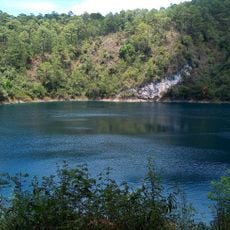
Chinkultic means "stepped-cenote" in Maya, after the natural well called Agua Azul that gives the site its name. The stelae show rulers as warriors with shields and spears, and subordinate figures in long robes, a War Serpent headdress and a necklace of severed heads. These scattering rituals resemble those at Bonampak and Yaxchilan, mixed with local traditions.
The site sits in hilly terrain, so visitors should wear sturdy shoes and bring water, especially after rain when paths become slippery. The complex is spread across multiple areas, so allowing time to explore different building groups helps visitors understand the full layout.
The ball court marker at Chinkultic records a dedication date of 21 May 591, one of the earliest firmly dated inscriptions in the region. The carved stelae show rulers as warriors with shields and spears, and subordinate figures in long robes, a War Serpent headdress and a necklace of severed heads.
The community of curious travelers
AroundUs brings together thousands of curated places, local tips, and hidden gems, enriched daily by 93,467 contributors worldwide.